U.S. Supreme Court
Furman v. Georgia
408 U.S. 238 (1972)
A pivotal case holding that death sentences imposed in an arbitrary and capricious way violate the Eighth Amendment.
 WNY Coalition Against the Death Penalty
Legal Cases
Read the original opinions, then use coalition guides to understand how courts have shaped capital punishment in the United States and New York.
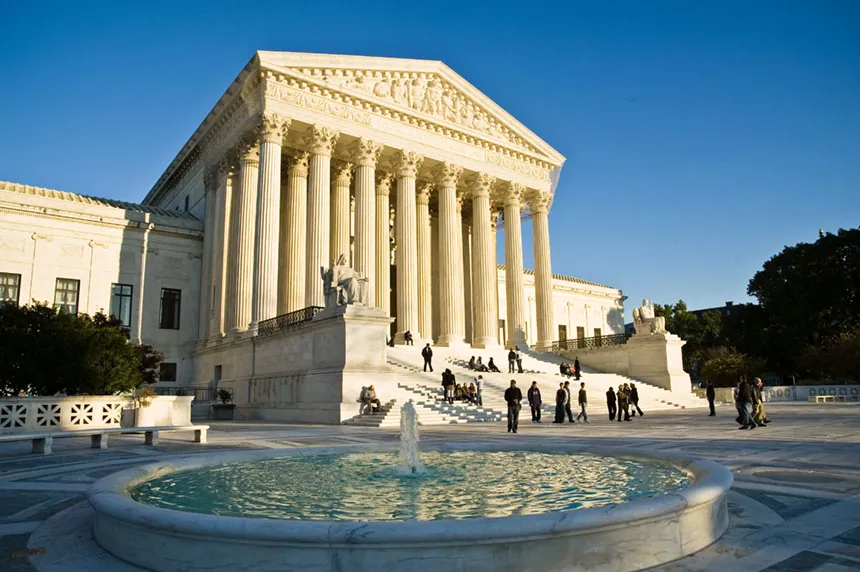
These rulings explain why arbitrary death sentences were struck down, how modern capital sentencing developed, why New York's law stopped working, and why the juvenile death penalty is unconstitutional.
U.S. Supreme Court
408 U.S. 238 (1972)
A pivotal case holding that death sentences imposed in an arbitrary and capricious way violate the Eighth Amendment.
New York Court of Appeals
3 N.Y.3d 88 (2004)
A New York Court of Appeals decision that vacated a death sentence and held the state's jury deadlock instruction unconstitutional, making the death penalty unenforceable in New York without legislative repair.
U.S. Supreme Court
428 U.S. 153 (1976)
A landmark U.S. Supreme Court case on the modern death penalty and the constitutional rules for guided sentencing.
U.S. Supreme Court
543 U.S. 551 (2005)
Roper v. Simmons, 543 U.S. 551 (2005), is a landmark decision by the Supreme Court of the United States in which the Court held that it is unconstitutional to impose capital punishment for crimes committed while under the age of 18.
The Court has never ruled that every death sentence is unconstitutional. Instead, these decisions set limits on when capital punishment can be used and exposed how easily a system can become arbitrary.
1972
In Furman v. Georgia, the Supreme Court struck down death sentences imposed under laws that gave juries too little guidance. The decision forced states to confront whether punishment was being handed down fairly and consistently.
1976
Gregg v. Georgia allowed some revised death-penalty laws to move forward. It did not end the constitutional questions, it made the rules around sentencing, appeals, and proportional punishment central to every later case.
New York
People v. LaValle made New York's death-penalty law unenforceable in 2004. The Legislature did not repair it, and the Court of Appeals later confirmed that death sentences could no longer be imposed under the old law.
Still important
Cases such as Roper v. Simmons bar execution for crimes committed before age 18. They show that the law can recognize clear limits while leaving broader questions about fairness, error, and irreversible punishment unresolved.
Use these coalition explainers to connect the cases and understand what they mean for New York.