
New York Death Penalty Law
When Did New York Abolish the Death Penalty? 2004 and 2007
New York's state death penalty became unusable in 2004, and the final death sentence was vacated in 2007. Both dates explain the answer.
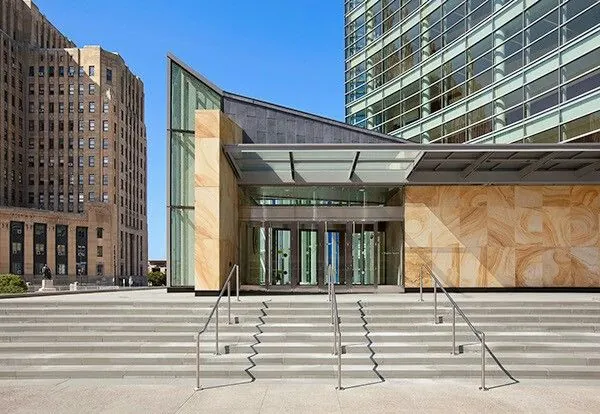
New York's working state death penalty ended in 2004. The final death sentence was vacated in 2007. So when people ask when New York abolished the death penalty, the answer is a two-step legal story, not one simple repeal vote.
That distinction matters in Western New York because a federal death penalty case can still be heard in Buffalo. New York state courts do not impose death sentences today, but federal law is separate. The result is confusing if you only read headlines: New York has no working state death penalty, yet a federal capital case can still happen here.
This article explains what happened, why 2004 and 2007 both appear in death penalty timelines, and how to talk about New York's status accurately in classrooms, faith communities, civic groups, and public conversations.
The short answer
New York's death penalty stopped functioning in 2004 after the state's highest court struck down a required jury instruction. In 2007, the Court of Appeals vacated the final remaining death sentence, leaving New York with no death row.
Search results often say New York abolished the death penalty in either 2004 or 2007. The better explanation is that People v. LaValle made the 1995 statute unusable in 2004, and People v. Taylor ended the last remaining state death sentence in 2007.
That is different from a legislature passing a clean repeal bill. New York's modern death penalty collapsed through court rulings, failed repair attempts, and the practical end of death row. The Death Penalty Information Center's New York profile gives the broader history of the state's abolition and reinstatement cycles.
Why 2004 matters
In 1995, New York reinstated capital punishment after years without an active death penalty. The statute included a sentencing process for capital cases, including what jurors had to be told if they could not agree on death or life without parole.
That instruction became the statute's fatal problem. In People v. LaValle, the Court of Appeals held that the deadlock instruction created a serious risk of pressuring jurors toward death. A juror who did not want execution could fear that a deadlock would lead to a lesser sentence with future parole eligibility.
The court vacated Stephen LaValle's death sentence and said the defect needed a legislative fix. The New York State Assembly's public hearing notice described the ruling as invalidating the deadlock instruction because it created a substantial risk of coercing jurors into a death sentence.

Why 2007 matters
After LaValle, New York still had one person under a death sentence: John Taylor, convicted in the Wendy's massacre case. Prosecutors argued that Taylor's case could be treated differently because his jury instructions were not identical to the instruction in LaValle.
The Court of Appeals rejected that path in 2007. In People v. Taylor, the court applied LaValle and vacated Taylor's death sentence. The Death Penalty Information Center reported that the sentence would be changed to life in prison without parole and that Taylor had been the last remaining inmate on New York's death row.
That is why 2007 is often described as the year New York's death row ended. The legal problem was identified in 2004. The final death sentence fell in 2007. Together, those dates explain why New York does not have an operating state death penalty today.
Did the legislature repeal the death penalty?
Not in the simple way people often imagine. After LaValle, lawmakers held hearings and debated whether to repair or restore capital punishment. Those efforts did not produce a new working death penalty law.
That is why the language can get slippery. If someone says New York "abolished" the death penalty, they usually mean the state no longer has a usable death penalty system. If someone is being precise about the legal path, they may say the courts invalidated the sentencing scheme and lawmakers did not revive it.
For public education, both points matter. The practical fact is clear: New York state courts do not sentence people to death. The legal history is also important because it shows how fragile and contested capital punishment systems can be, even after a state tries to bring them back.
What punishment replaced death sentences?
New York did not stop prosecuting serious murder cases. Life without parole remained available for the most serious state cases. That matters because death penalty debates often pretend the only choices are execution or release. That is not the reality in New York.
Life without parole is a severe sentence. It keeps a person in prison for life and removes the possibility of release. For many New Yorkers who oppose execution, that distinction is central: accountability and public safety do not require giving the government the irreversible power to kill.
Readers who want sourced statistics on cost, deterrence, innocence, race, and death row trends can use the coalition's death penalty fact sheet. It gives organizers, students, reporters, and faith leaders numbers they can cite without wading through a pile of legal documents.
Why the difference matters for public debate
The 2004 and 2007 dates are not trivia. They shape how people understand punishment, safety, and government power. If someone hears only that New York "abolished" the death penalty, they may assume the debate is settled and has no local relevance. If someone hears only that a federal death penalty case is happening in Buffalo, they may assume New York state brought capital punishment back. Neither shortcut tells the truth.
Good public debate needs the full picture. New York's state system failed because the capital sentencing process could push jurors toward death in an unconstitutional way. Lawmakers then had the chance to rebuild the system and did not. The last state death sentence was removed. Severe non-death sentences remained. And federal law still creates a separate path for execution in selected federal cases.
That is why local education matters. A community cannot make wise moral and civic choices from half-remembered headlines. It needs plain language, accurate dates, and a steady place to ask better questions: what actually keeps people safe, what victims' families need beyond courtroom spectacle, and whether state killing solves anything that life imprisonment cannot.
Why federal cases are different
New York's state death penalty status does not control federal law. Federal courts handle federal crimes, and some federal charges are death-eligible. That means federal prosecutors can seek a death sentence for certain crimes committed in New York even though New York state prosecutors cannot use a state death penalty statute.
This is why Buffalo residents can see a federal death penalty case in a state that does not have a working state death penalty. In the Tops case, the U.S. Attorney's Office says federal charges include hate crimes resulting in death and hate crimes involving attempts to kill. AP has also reported that the state case already produced life without parole before federal prosecutors pursued death.
The difference is not a technical footnote. It shapes local organizing. People need to understand that New York rejected execution as a state punishment, while federal power can still bring execution into a Buffalo courtroom.
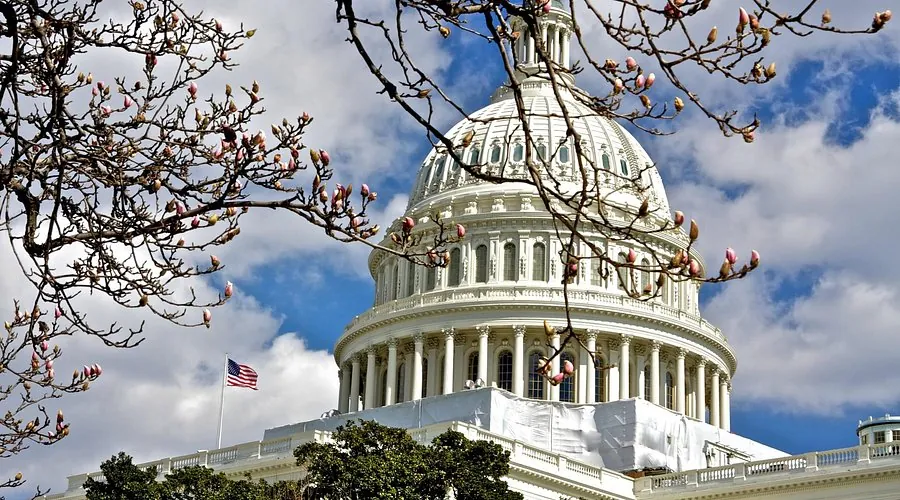
A quick timeline
New York reinstated a modern death penalty statute.
People v. LaValle struck down the jury deadlock instruction and made the statute unusable.
Lawmakers reviewed possible fixes, but no new working death penalty law passed.
People v. Taylor vacated the final remaining death sentence, ending New York's death row.
New York has no working state death penalty, while federal capital cases can still arise.
How to say it accurately
If you need one sentence, use this: New York's state death penalty became unusable in 2004, and the last state death sentence was vacated in 2007. That sentence is clear enough for most public conversations and precise enough to avoid the biggest misunderstanding.
If a reader asks whether New York "abolished" the death penalty, it is fair to answer yes in practical terms, then explain the path. The state does not have a working death penalty. The modern statute was made unusable by the courts, the legislature did not restore it, and the final death sentence was removed. That is clearer than arguing over one magic date.
If you are writing for a class, church bulletin, community newsletter, or public statement, avoid saying only "New York abolished it." Add the 2004 and 2007 context so readers understand why the answer is settled for state courts but still relevant in federal court.
If you are explaining the Buffalo federal case, add one more sentence: federal law is separate, so a federal death penalty case can still happen in New York. That keeps the conversation honest without making people learn every detail of capital sentencing procedure before they can understand the issue.
For a broader starting point, the coalition's article on whether New York has the death penalty explains the state-versus-federal distinction, and the Resources page points readers to books, source materials, and community education tools.
How the coalition helps
WNY Coalition Against the Death Penalty helps people turn confusing legal headlines into clear public understanding. That matters because most people do not enter this issue through a law review article. They enter through grief, fear, moral questions, faith commitments, classroom assignments, or a Buffalo news story they are trying to make sense of.
The coalition brings the conversation back to the human and civic question: what kind of justice protects people, honors victims, and refuses state killing? That work happens through public witness, local education, community partnerships, and direct invitations to act.
This is also why the coalition keeps the conversation grounded in Western New York. National arguments can feel abstract, but the current federal case is happening in a real courthouse, in a real community, after real harm. Clear education helps neighbors oppose execution without minimizing violence, and it gives schools, congregations, civic groups, and reporters a reliable place to start before the next hearing or public action.
To ask a question, invite a speaker, or connect your group with the coalition, use the Contact page or start with the Get Involved page.
Frequently asked questions
Did New York abolish the death penalty in 2004 or 2007?
Both dates matter. In 2004, the New York Court of Appeals made the state's death penalty statute unusable by striking down its jury deadlock instruction. In 2007, the court vacated the last remaining death sentence, ending New York's death row.
Was the 1995 death penalty law repealed?
The practical answer is no working state death penalty. The legal history is more specific: the statute was not revived after the courts found the sentencing scheme unconstitutional, and later efforts to restore capital punishment did not become law.
Can New York bring back the death penalty?
Only a new, valid state law could revive a state death penalty system. That would require political action and would face serious legal, moral, financial, and public-safety objections.
Why can a federal death penalty case still happen in New York?
Federal law is separate from state law. A federal prosecutor can seek death for certain federal crimes committed in New York even though New York state courts do not impose death sentences.
Sources used in this article
Key sources include the Death Penalty Information Center's New York profile, the People v. LaValle opinion, the New York State Assembly hearing notice, the People v. Taylor opinion, and the Death Penalty Information Center report on New York's last death sentence. The federal-case section also links to the U.S. Attorney's Office and AP reporting on the Buffalo case.
Related reading
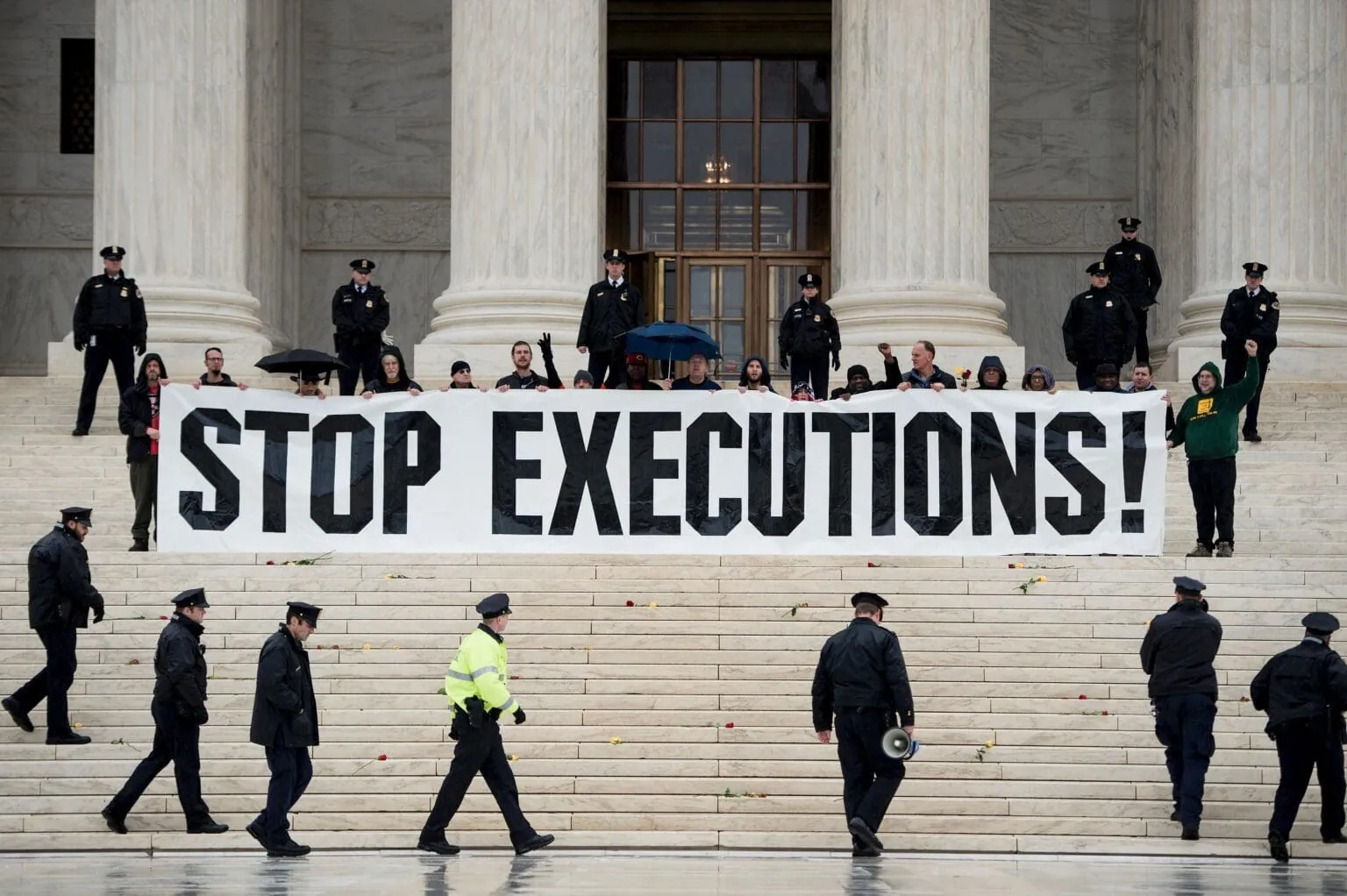
The New York Times
New York Times Review: Why the Death Penalty Is Dying
A curated reading note on Anand Giridharadas's review of Maurice Chammah's Let the Lord Sort Them and what it adds to the abolition conversation.
The New York Times
I Wish the Jury Had Not Sentenced My Family’s Killer to Death
A New York Times guest essay by Rev. Sharon Risher on grief, healing, and why an execution did not bring her family peace.
New York Death Penalty Law
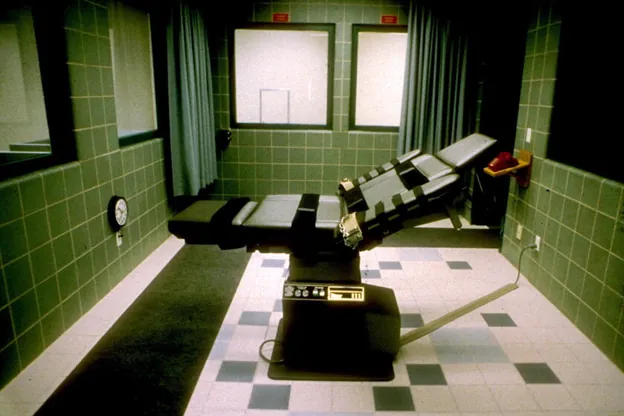
This Is Why New York’s Death Row Is Completely Empty
New York’s death penalty law remains on the books, but a 2004 court ruling and the final 2007 resentencing left the state with no working death penalty and no one on death row.