
Victim-Family Perspective
I Wish the Jury Had Not Sentenced My Family’s Killer to Death
A New York Times guest essay by Rev. Sharon Risher on grief, healing, and why an execution did not bring her family peace.
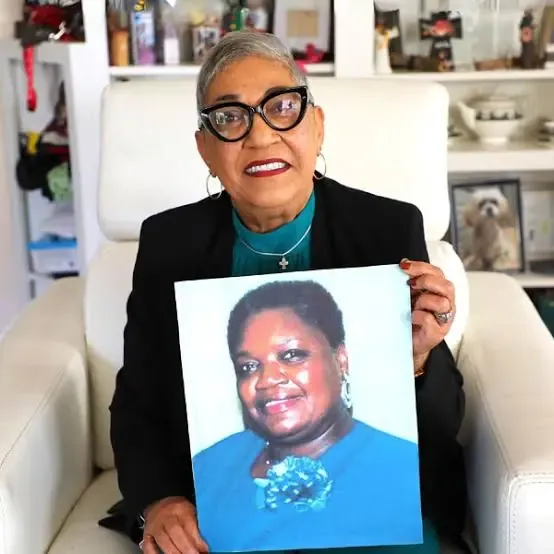
A death sentence is often described as the answer families need after an unbearable loss. Rev. Sharon Risher’s essay asks readers to sit with a harder truth: grief does not follow a script, and execution did not bring her family peace.
Risher’s mother, Ethel Lance, and her cousins Tywanza Sanders and Susie Jackson were among the nine people murdered at Mother Emanuel A.M.E. Church in Charleston, South Carolina, in 2015. The shooter, Dylann Roof, was sentenced to death in federal court. In this New York Times guest essay, Risher writes from the perspective of someone who has had to carry both the violence of that loss and the long public process that followed.
A victim’s voice against execution
Risher does not minimize what happened to her family. Her essay begins with the reality of violent loss and the understandable pull of anger. But she explains that, by the end of Roof’s sentencing, she did not believe his execution would help her heal. The death sentence did not restore the people she loved, remove the trauma of the trial, or make the family’s grief easier to carry.
That distinction matters. Public conversation often treats the death penalty as though it speaks for every victim’s family. It does not. Some family members support it; others oppose it; many have complicated feelings that change over time. Risher’s witness makes room for a truth that can get lost in a courtroom: there is no single right way to grieve, and the government should not claim an execution is the voice of every person left behind.
Why the Parkland verdict mattered to her
Risher published her essay shortly after a Florida jury declined to impose a death sentence on Nikolas Cruz for the 2018 murders at Marjory Stoneman Douglas High School in Parkland. Instead, Cruz received life without parole. The verdict reopened a public argument about whether a sentence short of death can honor people who were killed and the families who love them.
Her answer is not a call to look away from violence or to make loss seem smaller. It is an argument that accountability and healing are different things. A life sentence can keep a person from returning to the community. It cannot undo a murder. Neither can an execution. Risher’s essay asks readers to be careful about promising bereaved families a kind of closure the legal system cannot deliver.
What this means for Western New York
The federal death penalty can still be pursued in New York even though the state has no working death-penalty system. That makes victim-family voices especially important in local conversations. People can oppose execution without ignoring the scale of a crime, the needs of survivors, or the public’s need for safety.
Risher’s perspective is a reminder that people who have endured the worst kind of loss are not a monolith. The most respectful response is to listen without using their grief as a political prop. For a local overview of the law, read the coalition’s guide to New York’s death-penalty status.
Read the essay
Frequently asked questions
Who is Sharon Risher?
Rev. Sharon Risher is the daughter of Ethel Lance and the cousin of Tywanza Sanders and Susie Jackson, three of the nine people murdered at Mother Emanuel A.M.E. Church in Charleston, South Carolina, in 2015.
What is the essay about?
Risher reflects on the death sentence imposed on Dylann Roof and on the Parkland jury’s decision to impose life without parole. She explains why execution did not bring her family healing or closure.
Why is a victim-family perspective important?
Families do not experience loss in one uniform way. Listening to people who have lived through murder and capital trials helps challenge the assumption that every victim’s family wants an execution.
Source
This reading note links to Rev. Sharon Risher’s November 1, 2022 New York Times guest essay on grief, capital punishment, and the limits of execution as a promise of closure.
Related reading
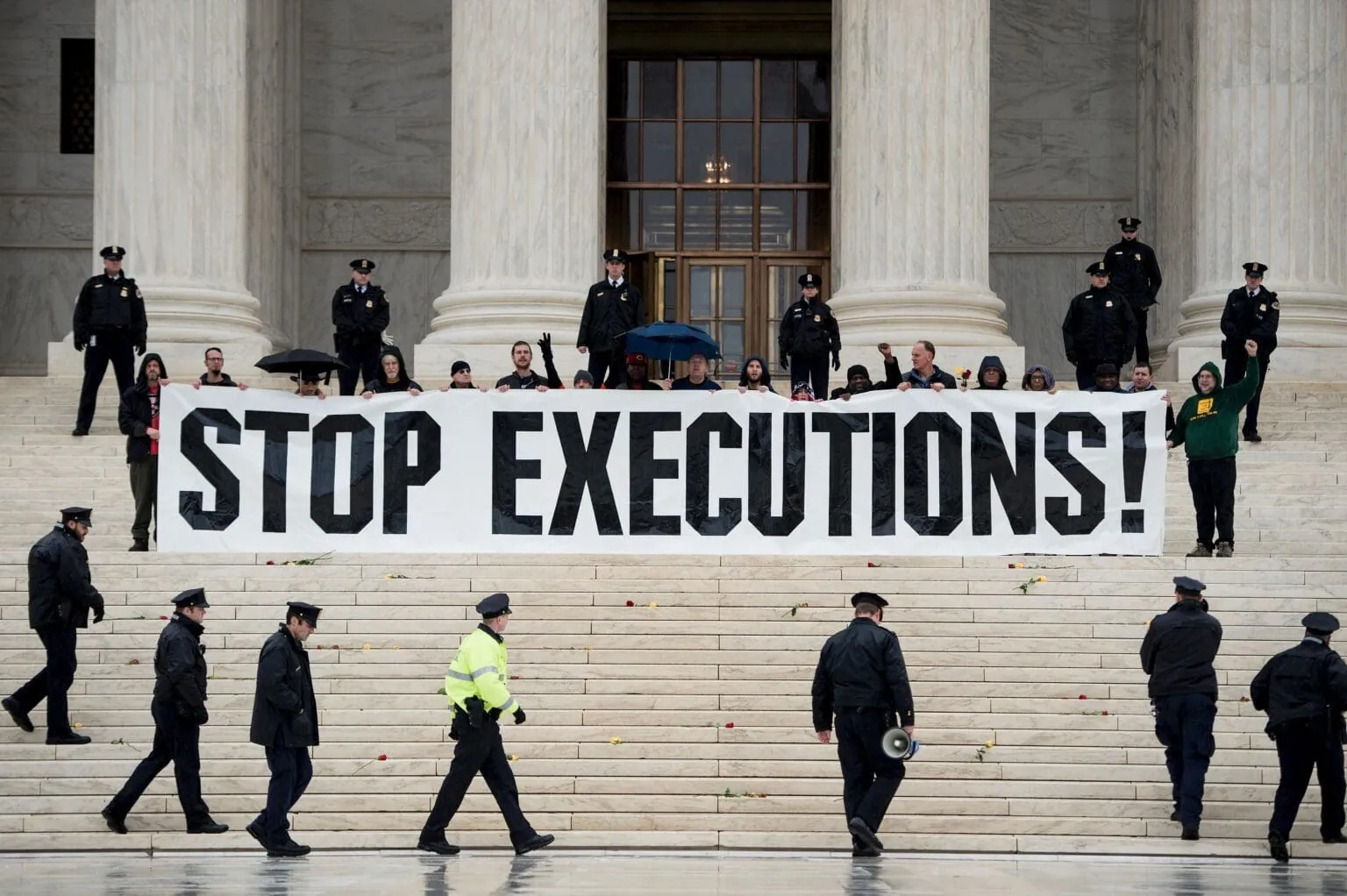
The New York Times
New York Times Review: Why the Death Penalty Is Dying
A curated reading note on Anand Giridharadas's review of Maurice Chammah's Let the Lord Sort Them and what it adds to the abolition conversation.
New York Death Penalty Law
When Did New York Abolish the Death Penalty? 2004 and 2007
New York's state death penalty became unusable in 2004, and the final death sentence was vacated in 2007. Both dates explain the answer.
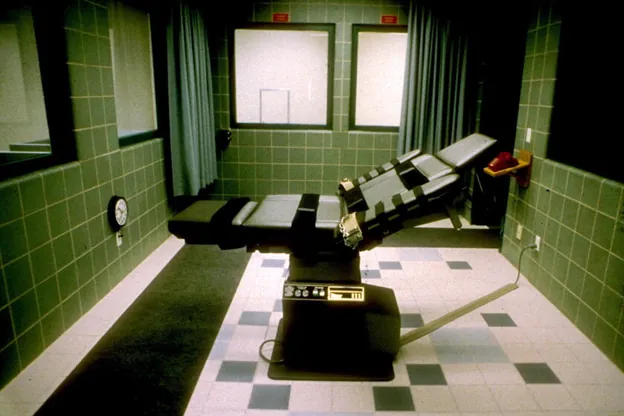
New York Death Penalty Law
This Is Why New York’s Death Row Is Completely Empty
New York’s death penalty law remains on the books, but a 2004 court ruling and the final 2007 resentencing left the state with no working death penalty and no one on death row.