
New York Death Penalty Law
This Is Why New York’s Death Row Is Completely Empty
New York’s death penalty law remains on the books, but a 2004 court ruling and the final 2007 resentencing left the state with no working death penalty and no one on death row.
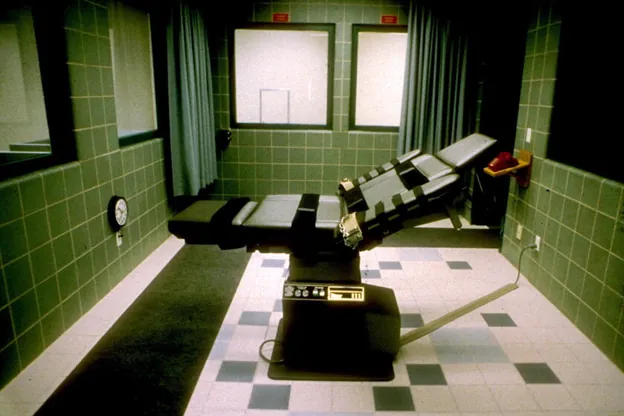
Whether New York still has the death penalty is a harder question to answer than it sounds. The law is still on the books, the courts have not revived it in years, and yet a 2004 ruling quietly changed everything.
New York’s death-penalty statute was never formally repealed. But in People v. LaValle, the state’s highest court held the required jury-deadlock instruction unconstitutional. The court concluded that the instruction could pressure jurors toward a death sentence rather than risk an outcome they feared would lead to parole.
Lawmakers did not replace the broken sentencing procedure. In 2007, the court vacated the final remaining death sentence. The following year, Governor David Paterson ordered the execution equipment removed from Green Haven Correctional Facility and the chamber closed. New York’s last state execution had already taken place on August 15, 1963, when Eddie Lee Mays was electrocuted at Sing Sing Prison.
A history longer and bloodier than most people realize
Before that long pause, New York had one of the country’s most extensive histories of executions. The Death Penalty Information Center’s New York historyrecords roughly 1,130 executions in the state. Hangings dominated for much of that period, but in 1890 New York became the first place in the world to use the electric chair, when William Kemmler was executed at Auburn Prison.
The chair went on to claim 695 lives between 1890 and 1963, mostly at Sing Sing. New York’s death penalty also disappeared and returned more than once. In 1860, lawmakers repealed hanging as a method of execution without naming a replacement, unintentionally leaving the state without a functioning death penalty until the next year. Governor George Pataki brought capital punishment back in 1995, this time with lethal injection as the designated method, but no one was executed under that statute before LaValle ended its use.
The federal exception New Yorkers often do not know about
The state’s nonworking statute does not settle every case. Federal prosecutors can still seek the death penalty for eligible federal crimes committed in New York, including certain terrorism, large-scale drug-trafficking, interstate, and federal-official murder cases.
That distinction is real, not theoretical. In 2023, a Manhattan jury could not unanimously authorize a death sentence for Sayfullo Saipov after the 2017 truck attack that killed eight people; he received life in prison instead, according to the U.S. Attorney’s Office. Federal prosecutors are also pursuing a capital case against Payton Gendron over the racist 2022 Buffalo supermarket massacre.
In April 2025, the Justice Department announced that it would seek death against Luigi Mangione in the federal case over the killing of UnitedHealthcare CEO Brian Thompson. That changed in January 2026, when a federal judge ruled out the only charge carrying a possible death sentence; prosecutors later said they would not appeal, as the Associated Press reported. The episode is a sharp reminder that federal capital litigation can arise in New York even though the state itself has no usable death-penalty system.
Bills to restore and abolish the death penalty have both gone nowhere
There has been no successful effort to restore New York’s state death penalty. A 2008 State Senate bill targeting the murder of law-enforcement officers passed the Senate but did not receive Assembly action. A 2023 bill, S1271, proposed a broader capital statute covering certain killings of police officers or first responders, multiple murders, hate-crime killings, and terrorism. It did not become law.
The federal side has moved no further. In 2023, Representative Grace Meng introduced the Federal Death Penalty Abolition Act, which did not advance. In May 2026, members of Congress introduced a new Federal Death Penalty Prohibition Act; as of July 25, 2026, it remains at the committee stage.
The result is a state where the death penalty exists in permanent legal limbo. The old statute is still there if you look for it, but it does not operate. For more than two decades, New York has had no working state death penalty and no one on state death row.
How the coalition helps
WNY Coalition Against the Death Penalty helps Western New Yorkers separate legal reality from political noise. The coalition offers clear local resources, public education, and a place for people to ask hard questions about accountability, safety, and state violence.
Visit the coalition’s death penalty fact sheetfor more context, or use the Contact page to bring the conversation to a classroom, faith community, or civic group.
Frequently asked questions
Does New York still have the death penalty?
New York does not have a working state death penalty. Its 1995 statute was never formally repealed, but the state’s highest court held its sentencing procedure unconstitutional in 2004, and lawmakers have not enacted a replacement.
When was the last execution in New York?
New York’s last state execution was on August 15, 1963, when Eddie Lee Mays was executed at Sing Sing Prison.
Can someone still face the federal death penalty in New York?
Yes. Federal law is separate from New York state law, so prosecutors can pursue a federal capital charge in an eligible federal case even though New York state courts cannot impose a death sentence.
Sources used in this article
This article draws on the People v. LaValle decision, the Death Penalty Information Center’s New York profile, the Saipov sentencing announcement, and federal and state legislative records linked above.
Related reading
The New York Times
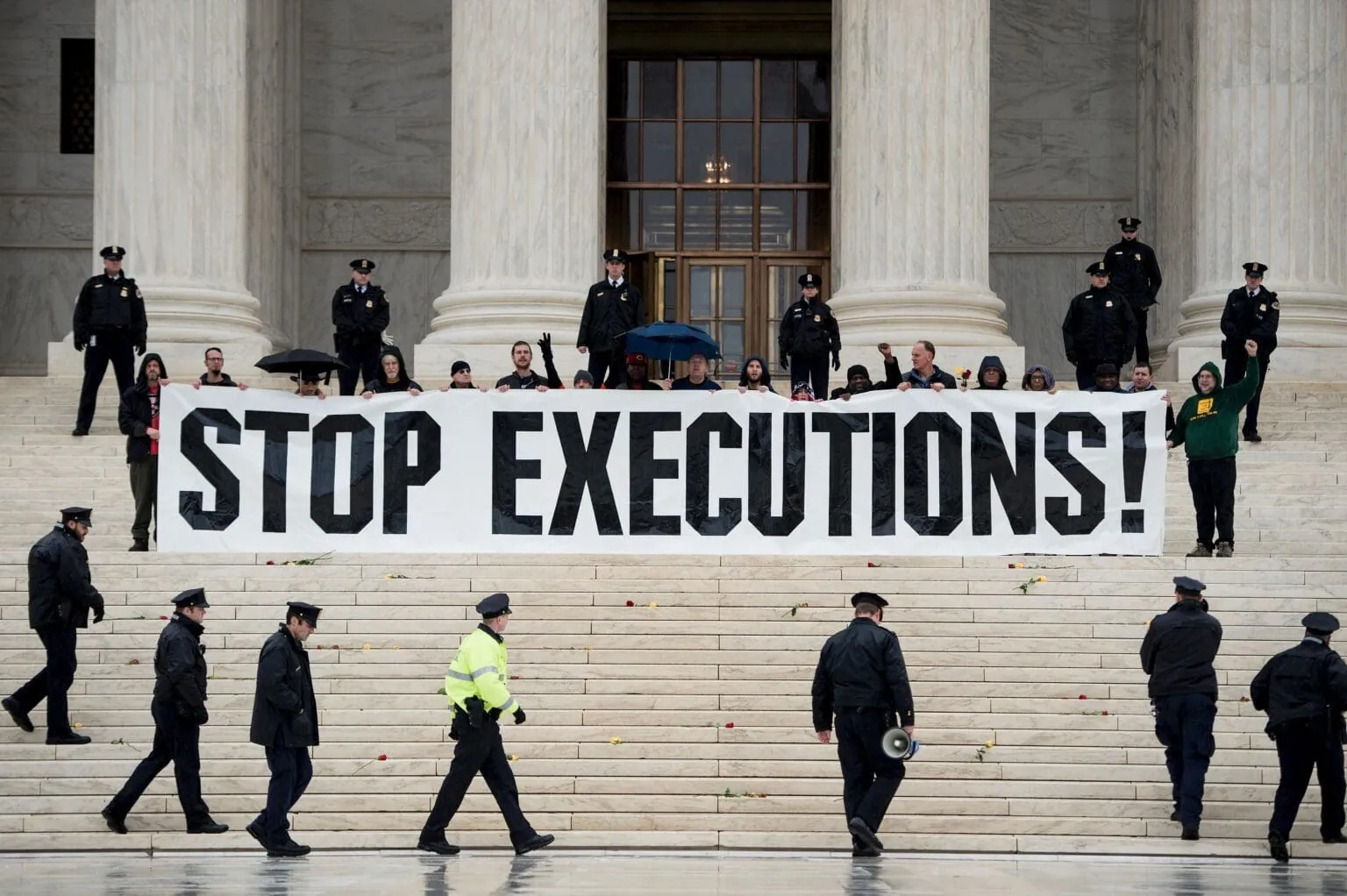
New York Times Review: Why the Death Penalty Is Dying
A curated reading note on Anand Giridharadas's review of Maurice Chammah's Let the Lord Sort Them and what it adds to the abolition conversation.
The New York Times
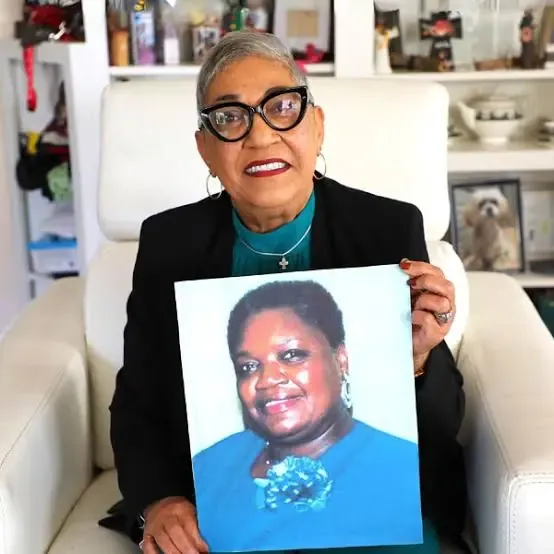
I Wish the Jury Had Not Sentenced My Family’s Killer to Death
A New York Times guest essay by Rev. Sharon Risher on grief, healing, and why an execution did not bring her family peace.
New York Death Penalty Law
When Did New York Abolish the Death Penalty? 2004 and 2007
New York's state death penalty became unusable in 2004, and the final death sentence was vacated in 2007. Both dates explain the answer.