
New York Death Penalty Law
Can You Get the Death Penalty in New York?
No. New York State does not have a working death penalty. Federal prosecutors can seek death only in limited federal cases.
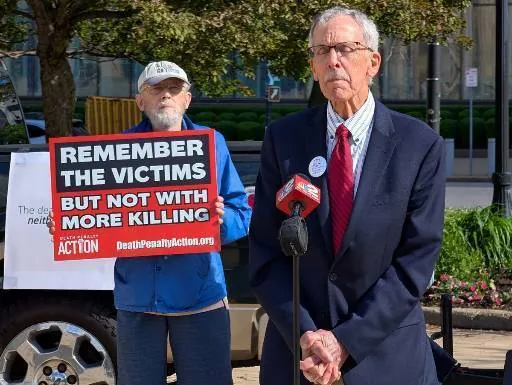
No. New York State does not have a working death penalty, so a New York state court cannot sentence someone to death. Federal law is separate: in a narrow group of federal cases, prosecutors can seek death after a formal national review.
That is the point most headlines leave out. New York has no working state death penalty, yet federal capital cases can still be brought in the state. For Western New Yorkers, the distinction is not abstract: a federal prosecution can be heard in Buffalo even though a New York state court cannot impose an execution.
This guide explains the difference without treating a pending case as a verdict. It focuses on the legal path: what makes a case federal, why only some federal charges are death-eligible, who decides whether prosecutors can seek death, and what New York's state-law history does and does not change.
No, New York State Does Not Have a Working Death Penalty
A New York state court cannot sentence someone to death. Federal prosecutors can seek death only in certain federal cases, and only after the Justice Department's formal capital-case review leads the Attorney General to authorize it.
The state part is settled in practice. In 2004, the New York Court of Appeals held inPeople v. LaValle that the statute's jury-deadlock instruction was unconstitutional. The court later vacated the final remaining state death sentence in People v. Taylor. New York still prosecutes serious crimes and can impose life without parole in eligible state cases, but the state has no operating death penalty.
The federal part is separate. Congress has made certain federal crimes eligible for capital punishment under the federal death-penalty statute. A federal prosecution can therefore follow a different route from a state prosecution arising from the same event.
Why New York state law is not the whole answer
When people ask whether someone can get the death penalty in New York, they usually mean state law. Under state law, the answer is no. New York's 1995 statute became unusable after LaValle, and lawmakers did not enact a replacement that brought the system back. The coalition's guide to when New York abolished the death penalty explains why both 2004 and 2007 matter to that history.
A federal case answers a different question: whether the United States can prosecute a federal offense. Federal criminal authority may apply when a charge involves a federal statute, such as certain hate-crime, terrorism, interstate, drug-trafficking, or killing-related offenses. It is not a way to turn every state murder case into a federal death penalty case.
State and federal authorities can sometimes have jurisdiction over the same conduct. That does not mean they use the same penalties. New York's state courts remain bound by New York law. Federal courts apply federal law, including the federal capital sentencing rules when the charged offense qualifies.
This is also why a state sentence and a federal case can appear side by side in news coverage without being interchangeable. A state prosecution may resolve first, and a federal prosecution may continue on its own schedule. The charges, evidence rules, sentencing choices, and appeals belong to different court systems. Knowing that separation helps people follow a difficult case without assuming that one court's result dictates what another court must do.
For public discussion, the practical question is not whether federal law somehow cancels New York law. It does not. The question is which government is bringing which charge. Once that is clear, people can evaluate the legal process and the moral stakes without being pulled off course by the misleading shorthand that New York “has” or “does not have” the death penalty in every possible setting.

What makes a federal case death-eligible?
“Death-eligible” does not mean “a death sentence will happen.” It means the federal charges include an offense for which Congress has allowed prosecutors to consider a death sentence. The law sets threshold requirements involving the offense, intent, and statutory factors. Prosecutors must also give formal notice if they intend to seek death, and a jury must make further findings before a death sentence can be imposed.
That is why the language matters. A person can be accused of an appalling act without automatically facing a federal capital prosecution. The crime must fit a specific federal statute, and the government must carry out a separate review before deciding whether to ask for death.
The Justice Department's capital-crimes policy describes this as an individualized process based on the facts and law of the case. It also says that arbitrary factors such as race, ethnicity, and religion are not supposed to inform the review. Those stated rules do not erase the broader moral and fairness questions surrounding capital punishment, but they do show that a capital request is not a routine sentencing option.
The decision to charge a federal crime also comes before the decision to seek death. A case may be federal without becoming capital, and a capital-eligible charge may still end without a death request. That distinction is important for anyone reading a charging document or a headline. “Eligible” describes a legal possibility. It does not tell the public what prosecutors will ultimately ask for, what a jury will decide, or whether a court will impose any particular sentence.
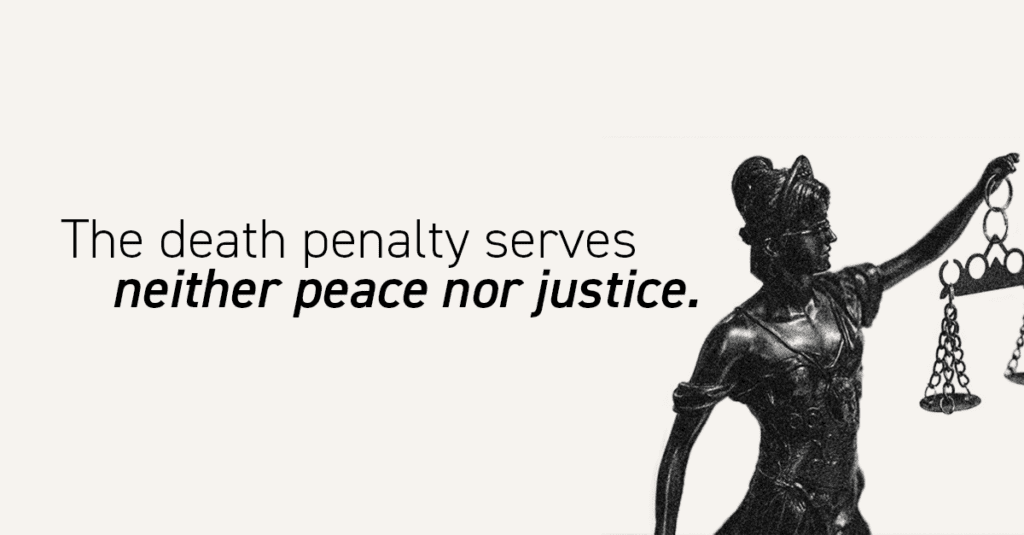
Who decides whether federal prosecutors can seek death?
A local federal prosecutor does not make the final decision alone. The Justice Department requires consultation with its Capital Case Section and a formal submission for review. The Attorney General makes the final decision on whether the government will seek a death sentence.
The process can include information about the charged offense, aggravating and mitigating circumstances, and input from the defense. The Justice Department policy also directs prosecutors, when reasonably possible, to consult the victim's family about whether the government should seek death. A family’s views matter, but they do not turn the decision into a referendum or make a death request automatic.
If authorization is given, the prosecution must file a notice of intent to seek the death penalty. If a jury later finds the defendant guilty of a capital offense, the case moves into a separate sentencing phase. The jury considers the legally required factors and must decide between death and the available alternative sentence. A federal capital case can therefore take far longer and involve far more proceedings than an ordinary criminal case.
The sentencing phase is not a rerun of the trial. It asks a different set of questions. Jurors consider statutory aggravating factors that may support a death sentence and mitigating evidence that may support a life sentence. The law requires a highly structured process because execution is irreversible. Even then, the process cannot answer the public-policy question that sits beyond the courtroom: whether killing a person in custody adds anything that life imprisonment cannot provide.
Cases can also change course. A prosecutor may decide not to seek death, a court can resolve legal issues before trial, a jury can reject a capital verdict, or a sentence can face review on appeal. That is another reason to be careful with early declarations. A capital request signals that the government is pursuing its most severe punishment; it is not a forecast of an execution.
What this means in Buffalo
The federal case against Payton Gendron is why this question has become immediate in Western New York. The U.S. Attorney's Office for the Western District of New York maintains a public case-information page for victims and community members following the federal proceedings. It is a federal case, so its potential penalties are governed by federal law rather than New York's invalidated state statute.
That distinction should never reduce the violence or grief at the center of the case. It simply keeps the public conversation accurate. New York's state-law rejection of capital punishment did not remove federal power. At the same time, the existence of a federal capital charge does not decide guilt, sentence, or the larger moral question of whether execution serves victims, public safety, or justice.
The coalition's death penalty fact sheet gives readers sourced material on innocence, costs, deterrence, race, and national death-row trends. Those issues are worth considering alongside the legal mechanics, because a legal power can still be a poor public policy.
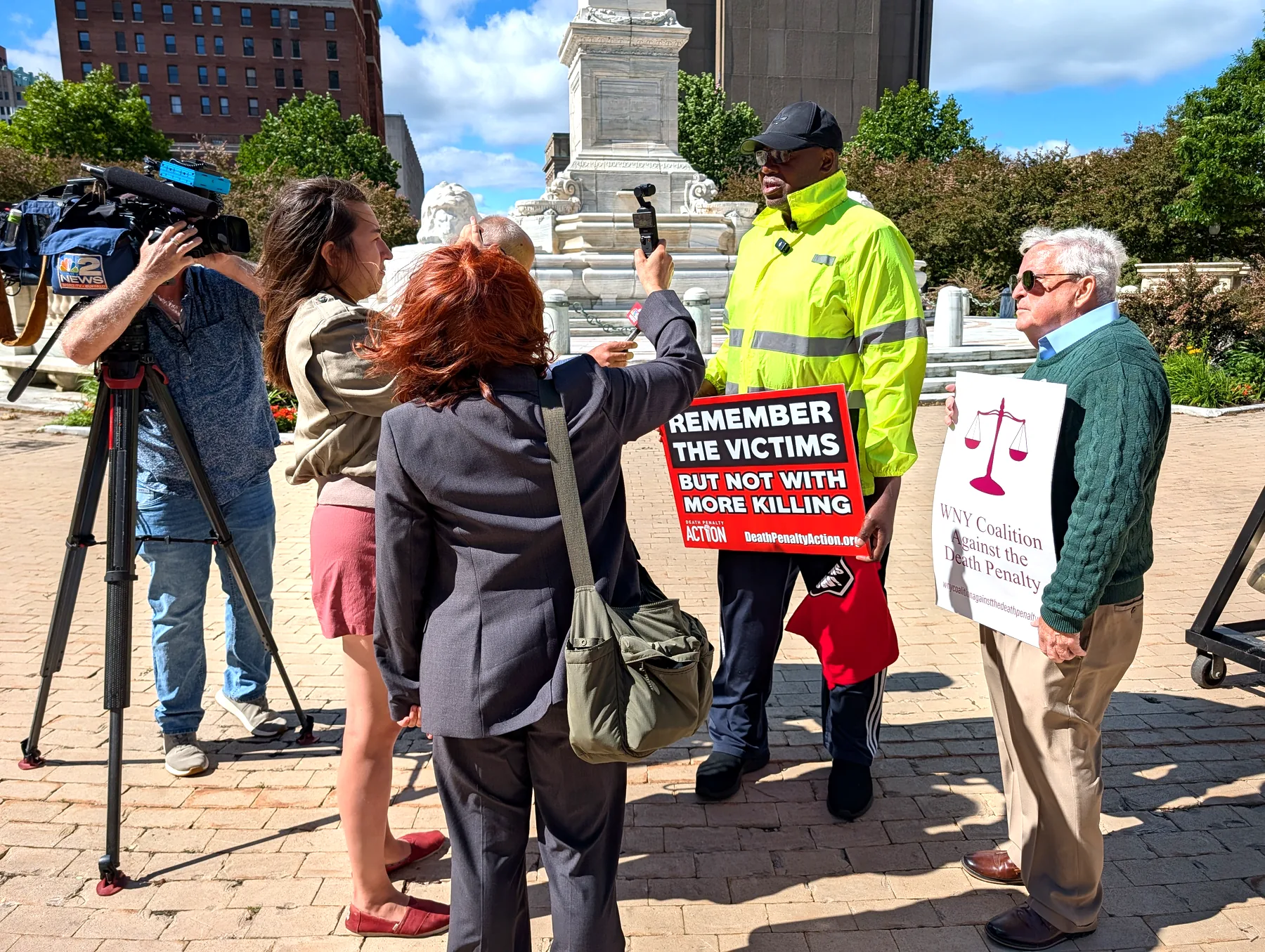
A clear way to explain it
For a classroom, faith group, or community conversation, start with one sentence: New York does not have a working state death penalty, but federal prosecutors can seek death in limited federal cases. Then add the second sentence: that choice must go through a national Justice Department review and is not the same as a New York state sentence.
That framing avoids two common mistakes. The first is saying that a federal case means New York brought back the death penalty. It did not. The second is saying that New York's state-law history prevents any federal capital case. It does not. Clear language makes room for a more honest discussion about accountability, healing, safety, and the power the government should have.
It is also fair to say that people can disagree about punishment while sharing a need for truth and safety. Families harmed by violence deserve support that lasts beyond a sentencing hearing. Communities deserve prevention, trauma care, and resources that address harm before it happens. The coalition's position is that those needs are better served by accountability without state killing.
A careful public conversation does not ask anyone to minimize the harm that brought a case to court. It asks a harder question: whether another killing, carried out after years of litigation, offers the kind of justice and safety a grieving community needs. The coalition believes communities can reject execution while insisting on serious accountability and long-term support for everyone affected by violence.
How the coalition helps
WNY Coalition Against the Death Penalty helps Western New Yorkers understand the law without losing sight of the human stakes. The coalition offers plain-language resources, public witness, classroom materials, and conversations for people who want a response to violence that does not depend on execution.
Groups that want to explore this question together can use the coalition'sclassroom discussion guideor invite a speaker for a school, faith community, or civic gathering. To connect directly, visit theContact page.
That work begins with careful language. Saying plainly what New York state law allows, what federal law can still permit, and where a case stands keeps fear and rumor from taking over the conversation. It also lets neighbors focus on the questions that matter most: how to honor people harmed by violence, how to build safer communities, and how to refuse a punishment that cannot be undone.
Frequently asked questions
Can New York state courts sentence someone to death?
No. New York does not have a working state death penalty. A New York state murder case can result in severe punishment, including life without parole in eligible cases, but not a death sentence under the invalidated state statute.
Can a federal court in New York impose the death penalty?
Federal law is separate from New York state law. In a limited set of federal capital cases, federal prosecutors may seek death in a federal court in New York if the required legal and internal Justice Department review steps are met.
Does a serious crime automatically become a death penalty case?
No. A terrible crime is not enough by itself. The charges must include a federal offense that Congress has made death-eligible, and the Justice Department must decide whether to authorize a request for death.
Who makes the final federal decision to seek death?
Under the Justice Department's capital-case policy, the Attorney General makes the final decision on whether federal prosecutors may seek a death sentence after a formal review process.
Sources used in this article
This article draws on the New York Court of Appeals decisions in People v. LaValle and People v. Taylor, the Justice Department's capital-crimes policy, the federal death-penalty statute, and the U.S. Attorney's Office case information for United States v. Gendron.
Related reading
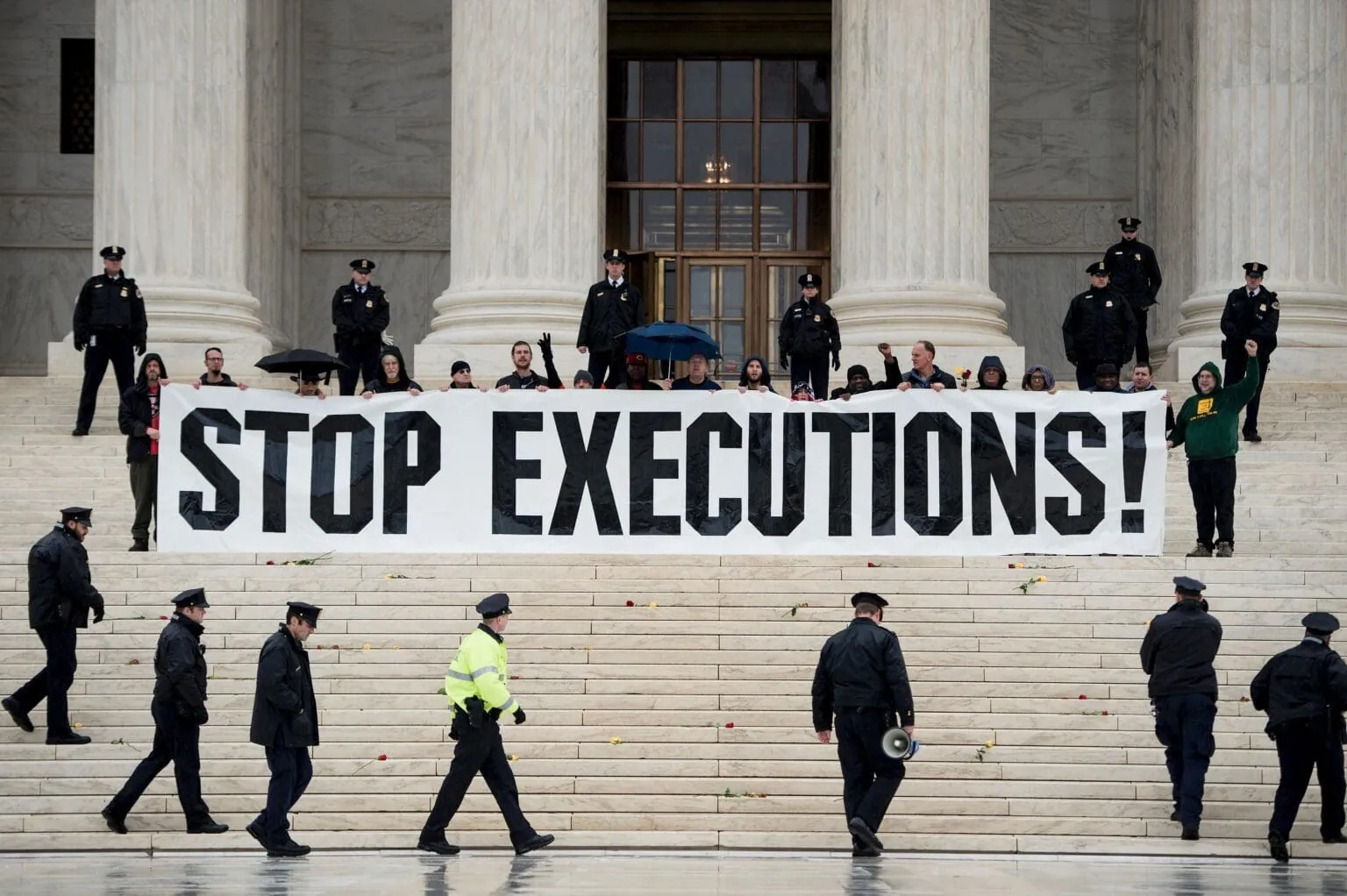
The New York Times
New York Times Review: Why the Death Penalty Is Dying
A curated reading note on Anand Giridharadas's review of Maurice Chammah's Let the Lord Sort Them and what it adds to the abolition conversation.

The New York Times
I Wish the Jury Had Not Sentenced My Family’s Killer to Death
A New York Times guest essay by Rev. Sharon Risher on grief, healing, and why an execution did not bring her family peace.

New York Death Penalty Law
When Did New York Abolish the Death Penalty? 2004 and 2007
New York's state death penalty became unusable in 2004, and the final death sentence was vacated in 2007. Both dates explain the answer.