
The New York Times
New York Times Review: Why the Death Penalty Is Dying
A curated reading note on Anand Giridharadas's review of Maurice Chammah's Let the Lord Sort Them and what it adds to the abolition conversation.
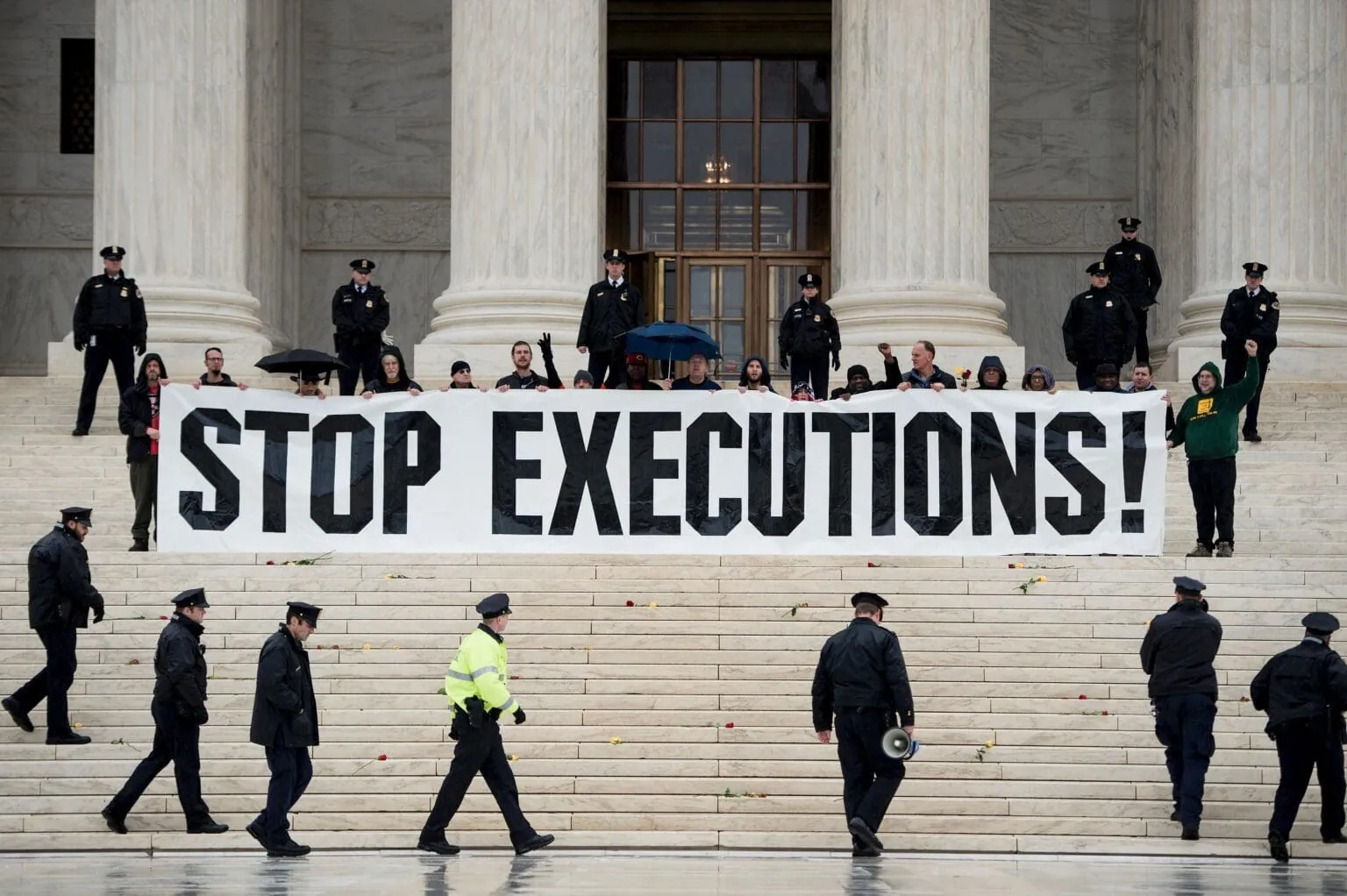
Anand Giridharadas's New York Times review of Maurice Chammah's Let the Lord Sort Them is worth reading because it explains the death penalty's decline as a public story, not only a legal one.
Chammah's book follows the rise and fall of capital punishment through Texas, the state most closely associated with modern executions. The review helps readers see why that history matters outside Texas too: the same questions about race, power, mercy, public safety, and state violence shape the death penalty debate everywhere, including federal cases heard in New York.
Why this belongs in the conversation
Good abolition work needs more than statistics. Numbers matter, but people also need a story clear enough to carry into classrooms, faith communities, family arguments, and public meetings. This review points readers toward a book that shows how capital punishment became politically powerful and how that power has weakened over time.
For Western New Yorkers, that wider context is useful. New York has no working state death penalty, yet a federal death penalty case can still bring execution into a Buffalo courtroom. Chammah's history helps explain why the fight against execution is both local and national at the same time.
Read the article
The article may be subject to the New York Times' access rules. If you cannot open it, the book itself is still a strong resource for understanding how the modern death penalty grew, why it has declined, and why public witness still matters.
Frequently asked questions
What is the New York Times piece about?
It is a review of Maurice Chammah's Let the Lord Sort Them, a reported history of the modern death penalty focused heavily on Texas and the long decline of capital punishment in the United States.
Why include a book review on this blog?
The review gives readers a useful outside frame for understanding how death penalty systems change over time: not through one perfect argument, but through sustained public pressure, legal challenges, community witness, and changing moral expectations.
Does this replace local Buffalo information?
No. It adds context. Local readers still need New York-specific facts and current Buffalo updates, but national reporting can help explain why the federal death penalty debate here is part of a much larger pattern.
Source
This reading note links to Anand Giridharadas's New York Times review of Maurice Chammah's Let the Lord Sort Them: The Rise and Fall of the Death Penalty.
Related reading

The New York Times
I Wish the Jury Had Not Sentenced My Family’s Killer to Death
A New York Times guest essay by Rev. Sharon Risher on grief, healing, and why an execution did not bring her family peace.

New York Death Penalty Law
When Did New York Abolish the Death Penalty? 2004 and 2007
New York's state death penalty became unusable in 2004, and the final death sentence was vacated in 2007. Both dates explain the answer.

New York Death Penalty Law
This Is Why New York’s Death Row Is Completely Empty
New York’s death penalty law remains on the books, but a 2004 court ruling and the final 2007 resentencing left the state with no working death penalty and no one on death row.