
Supreme Court Case
Caldwell v. Mississippi: The Jury’s Role Explained
Caldwell v. Mississippi held that a death sentence cannot rest on arguments that make jurors feel less responsible for deciding whether a person lives or dies.
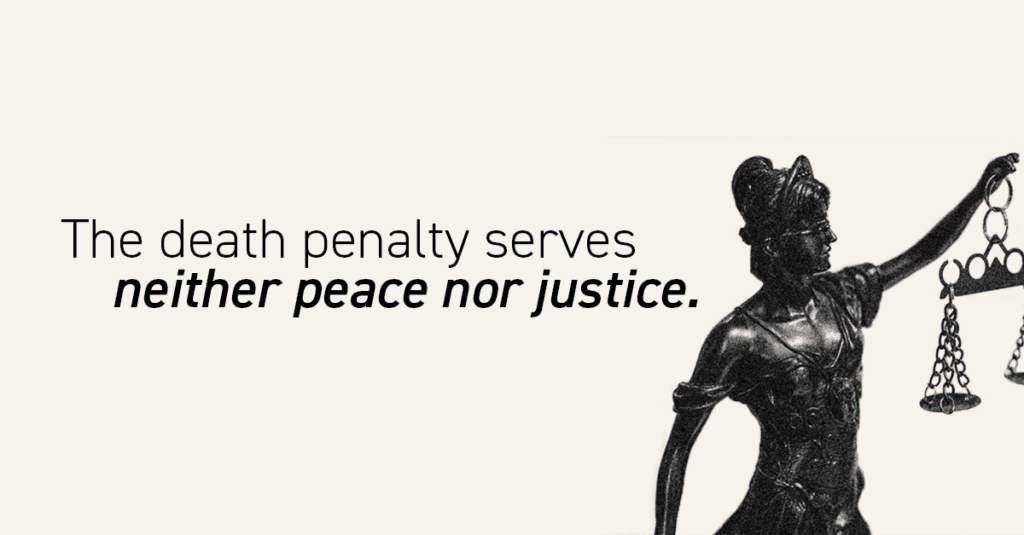
Caldwell v. Mississippi is a Supreme Court case about responsibility at the moment a jury is asked to choose between life and death. In 1985, the Court ruled that a death sentence cannot stand when it rests on an argument that wrongly leads jurors to believe that another court, not they, will carry the final responsibility for the decision.
The decision did not excuse a crime or question the need for serious accountability. It addressed a different problem: whether a system can impose an irreversible punishment after minimizing the role of the people assigned to make that choice. The Court’s answer was that capital sentencing must be reliable, and a jury cannot make a reliable decision if it is encouraged to hand off its moral and legal responsibility.
The short answer
Caldwell v. Mississippi held that it is unconstitutional to impose a death sentence after a prosecutor misleads the jury about its role by suggesting that a higher court will take responsibility for deciding whether the defendant dies.
The official United States Reports opinion records the case as 472 U.S. 320, decided June 11, 1985. The prosecutor told jurors that their decision was not final because it would be reviewed by the Mississippi Supreme Court. The Supreme Court concluded that this argument created an unacceptable risk that jurors would feel less responsible than the Constitution requires.
Appellate review is real, but it does not erase the jury’s work. A reviewing court examines a record after trial. It does not hear the testimony in the same way, observe the witnesses, or take the jury’s place as the body asked to make the sentencing decision. Caldwell is about preserving that distinction.
How the case reached the Court
Bobby Caldwell was convicted of murder in Mississippi and his case moved to a sentencing phase in which the jury could choose life imprisonment or death. His lawyers asked the jury to consider mercy, including his youth, family background, and poverty. In response, the prosecutor argued that the jurors should not feel that they were making the final decision because the state supreme court would review any death sentence.
The defense objected. The trial judge did not correct the statement for the jury, and the jury imposed death. Mississippi’s highest court upheld the sentence. When the case reached the United States Supreme Court, the issue was not whether appellate courts exist or whether they can reverse an error. It was whether a capital jury may be encouraged to treat its own choice as someone else’s responsibility.
That question matters because capital sentencing is different from an ordinary administrative decision. A death sentence is final in a way no later ruling can repair. The Constitution therefore requires unusual care with the procedure that leads to it, including the accuracy of what jurors are told about their own role.

What the Court decided
In a divided decision, the Court set aside Caldwell’s death sentence. The plurality explained that the Eighth Amendment does not permit a death sentence that rests on a jury decision made after the jury has been led to believe that responsibility for deciding whether death is appropriate lies elsewhere.
The rule is not merely a matter of courtroom etiquette. The Court tied it to reliability. A juror who believes that a higher court will make the real decision may be less careful about weighing evidence, less willing to confront doubt, or more likely to vote for death believing that another institution will catch any problem later. That is not the deliberate judgment the Constitution demands before the state takes a life.
The decision also recognized a practical truth: appeal is not a substitute for the original decision-maker. Appeals have important limits. They focus on legal error, defer to many factual findings, and depend on a record made in the trial court. A jury cannot avoid its duty by assuming a later court will redo the sentencing choice.
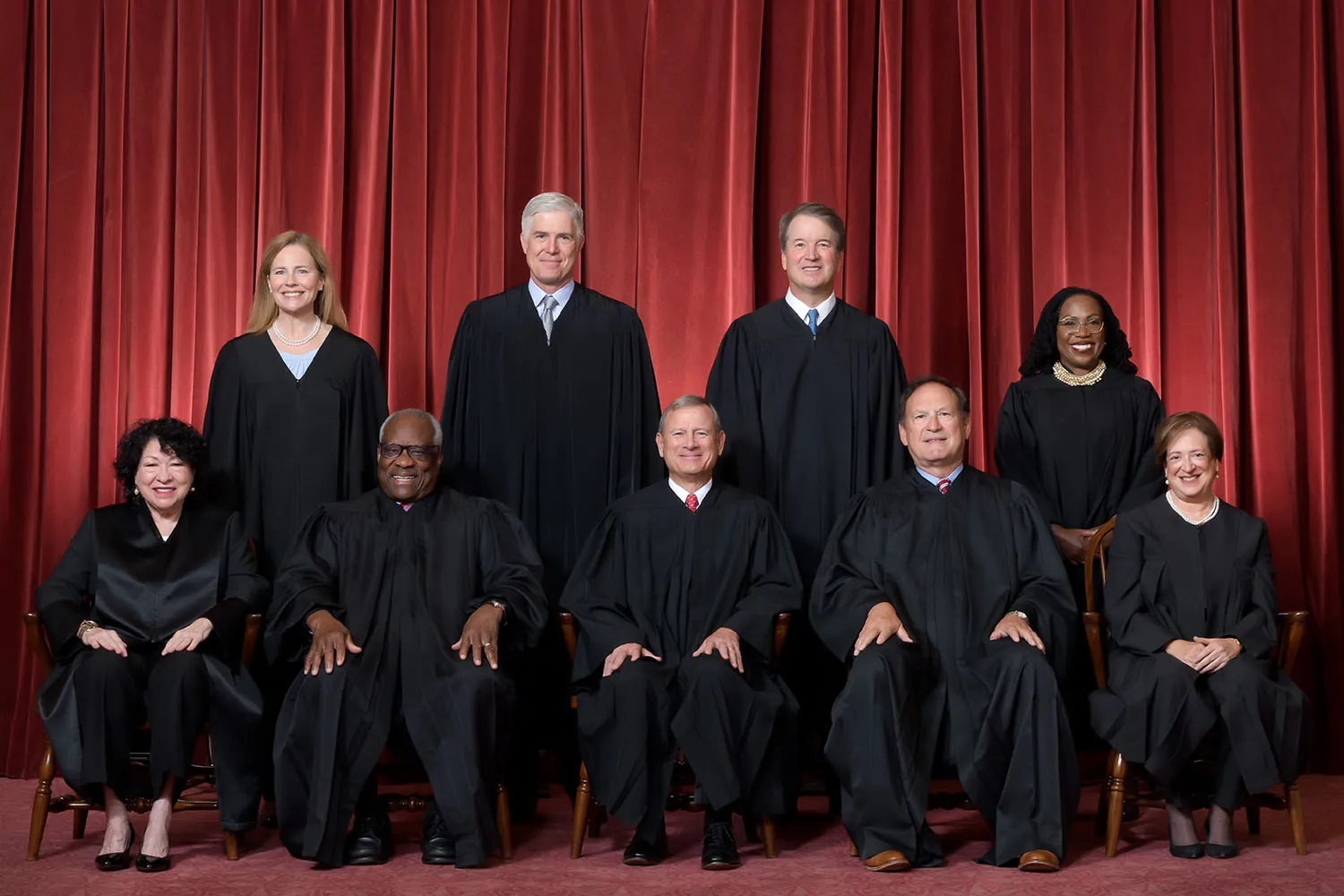
What Caldwell did not decide
Caldwell did not say that every mention of appeal in a capital trial automatically violates the Constitution. Later cases have emphasized the importance of context, including whether a statement was inaccurate or misleading under the law of the state where the trial occurred. The central concern remains the same: the jury must not be invited to feel less responsible for a death decision than it actually is.
The ruling also did not abolish the death penalty or decide whether a particular person deserved a severe sentence. It did not replace the jury’s judgment with a lighter sentence. It required the sentencing process to respect the jury’s constitutional role before a death sentence could be allowed to stand.
Most importantly, the case does not suggest that accountability means ignoring harm. Criminal conduct can cause enormous loss. A justice system can investigate, try cases fairly, impose serious prison sentences, and support survivors without using misleading arguments to make execution seem less consequential.
How Caldwell fits into modern death penalty law
The decision belongs to a broader line of cases about arbitrary and unreliable capital sentencing. In Furman v. Georgia, the Supreme Court invalidated the death sentences before it because existing systems allowed arbitrary outcomes. Four years later, Gregg v. Georgia permitted some revised capital statutes, but only with procedures intended to narrow and guide the punishment.
Caldwell adds a focused protection within that framework. Rules on aggravating evidence, mitigating evidence, jury instructions, and appellate review are often described as safeguards. This case asks whether the people using those safeguards understand that their decision matters. A process cannot be reliable if its decision-makers are told not to take responsibility for the result.
For a broader guide, the Coalition’s Supreme Court death penalty cases overview traces how later decisions added limits involving youth, intellectual disability, jury findings, and proportionality. Each decision addresses a different legal question. Together they show how difficult it is to make a permanent punishment depend on human judgment without error.

Why this issue matters beyond the courtroom
People sometimes assume that a capital sentence is protected from error because a case goes through many stages of review. Caldwell is a reminder that more stages do not transform an imperfect process into a perfect one. Every stage depends on people: investigators, lawyers, witnesses, judges, jurors, and reviewing courts. Each has a distinct role, and none can simply carry another’s responsibility.
This is one reason the death penalty remains a public-safety and fairness question, not only a legal one. An execution cannot be undone if a witness was mistaken, evidence was missed, legal representation was inadequate, or a jury was misled about what it was deciding. The Coalition’s fact sheet brings together further information about wrongful convictions, cost, race, deterrence, and death-row trends.
Life without parole is also a severe sentence. As the Coalition’s guide to life without parole explains, it can keep a person in prison for life without the possibility of ordinary parole. Unlike execution, it leaves open the possibility of correction if new evidence or a serious legal error changes what the system knows.
Why Caldwell still matters in Western New York
New York does not have a working state death penalty. The state’s highest court made the statute unusable in 2004, and the final state death sentence was vacated in 2007. Federal law is separate, however. In limited federal cases, a death sentence can still be sought in a New York courtroom. The Coalition’s New York death penalty guide explains that distinction.
That is why Supreme Court decisions about capital sentencing remain relevant in Buffalo and across Western New York. They set constitutional boundaries for federal cases even where state courts cannot impose death. They also give students, journalists, faith communities, and neighbors a better way to read a difficult court story: identify the precise legal question, understand what a ruling actually says, and resist shortcuts that make execution sound routine.
The Coalition’s work starts with a simple commitment. We can take violence seriously, support those harmed by it, and ask for real accountability without giving government an irreversible power that depends on a flawless process. Caldwell shows why that standard of care matters most when a jury is asked to make the most permanent decision a court can authorize.
How the Coalition can help
WNY Coalition Against the Death Penalty helps people turn complex legal questions into informed conversation. The Coalition’s education resources and speaker program can support a classroom, faith group, or community discussion that needs clear context and room for serious questions.
Readers can also explore the Coalition’s Questions of Fact and find practical ways to take part through Get Involved. Accountability without execution is not a refusal to care about harm. It is a commitment to seek justice that remains honest about human limits and open to correction.
Frequently asked questions
What did Caldwell v. Mississippi decide?
The Supreme Court held that a death sentence cannot rest on a prosecutor’s argument that wrongly tells jurors their decision is not final because another court will review it. In a capital sentencing decision, jurors must understand their own responsibility.
Did Caldwell v. Mississippi overturn the murder conviction?
No. The Court set aside the death sentence and sent the case back for further proceedings. Its ruling concerned the reliability of the sentencing phase, not the jury’s guilty verdict.
Does Caldwell mean juries should not be told about appeals?
The case is not a blanket rule about every reference to appellate review. Its core concern is an inaccurate or misleading statement that invites a capital jury to shift its own sentencing responsibility to another court.
Why does this case matter in New York?
New York has no working state death penalty, but federal capital law is separate. Supreme Court limits on capital sentencing still matter whenever a federal death sentence is considered in New York.
Sources used in this article
This guide draws on the official United States Reports opinion in Caldwell v. Mississippi, the Coalition’s guide to Supreme Court death penalty cases, and its linked resources on New York law and accountability without execution.
Related reading
New York Death Penalty Law
Furman v. Georgia: The 1972 Decision Explained
Furman v. Georgia stopped death sentences under the laws then in force because the Court found arbitrary punishment. Here is what the 1972 ruling did and did not decide.
New York Death Penalty Law
Gregg v. Georgia: What the Case Changed
Gregg v. Georgia allowed new death penalty laws after Furman, but it also required rules meant to limit arbitrary death sentences. Here is what the case did and did not decide.
New York Death Penalty Law
Death Penalty Supreme Court Cases: A Guide
The major Supreme Court decisions on capital punishment, from Furman and Gregg to the limits the Court later placed on who can be executed.