Classrooms And Campuses
Give students a structured place to examine law, accountability, public safety, and the human consequences of execution.
 WNY Coalition Against the Death Penalty
Community Education
Give your class, faith community, campus group, or civic organization a clear way to discuss capital punishment, New York law, and the federal case in Buffalo.
A Better Starting Point
Death penalty education should not ask people to look away from harm or grief. It should help a room examine what justice, accountability, and safety actually require, and whether execution brings a community closer to those goals. The coalition gives Western New York groups a place to begin that is serious about both the human cost of violence and the human cost of capital punishment.
Choose a setting where people need a clearer foundation before they discuss one of the most difficult questions in public life.
Give students a structured place to examine law, accountability, public safety, and the human consequences of execution.
Make room for a serious conversation about mercy, responsibility, grief, violence, and the value of every human life.
Help neighbors understand the local stakes of a federal death penalty case without reducing a difficult subject to slogans.
Create a shared foundation of facts and questions before a public discussion turns into argument or misinformation.
What A Strong Session Covers
People often arrive with strong feelings, partial information, and a need to be heard. A thoughtful session gives those feelings a responsible place while making room for law, evidence, moral reflection, and the lived reality of the Buffalo community. The aim is not to pressure a room into easy answers. It is to make the conversation more honest, informed, and humane.
Plan A Learning SessionThe coalition's existing resources can support a one-time discussion or give a group a useful path for learning over time.
Use the coalition's fact sheet to ground a conversation in clear, sourced context before asking people to form a view.
Read The Fact SheetBring a 45- to 60-minute structure, discussion questions, and source materials into a classroom or campus setting.
View The Lesson PlanAsk the coalition to help a group connect national questions about capital punishment to the Buffalo community.
Request A SpeakerWhat Groups Often Need
A group does not need to solve every question about capital punishment in one meeting. It does need a place to begin where the facts are understandable, the local stakes are clear, and participants are not asked to set aside their concern for victims or community safety. The coalition can help a group shape that starting point around the room it actually has.
For a classroom, that may mean a structured review of sources and questions. For a faith community, it may mean a conversation about mercy, responsibility, and the value of life. For a neighborhood or civic group, it may mean clearer context about the federal case in Buffalo and the choices a community can make together. The point is a conversation people can carry forward, not a presentation that ends when the room empties.
Western New York Context
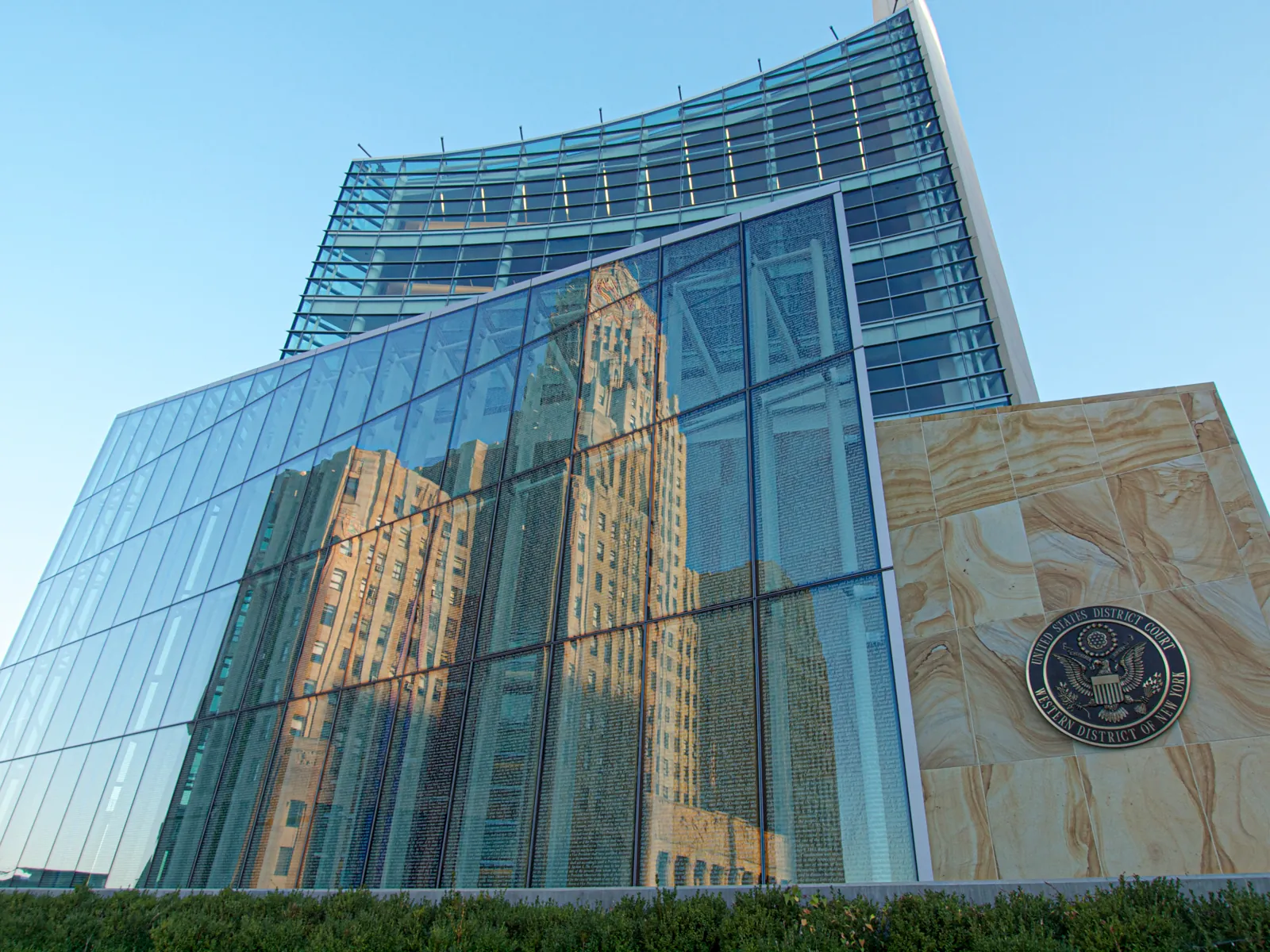
A federal death penalty case in Buffalo can leave people with urgent questions about law, punishment, safety, and what a community owes to those harmed by violence. New York's state death penalty is no longer working law, but that does not make the federal system distant or abstract for Western New Yorkers. The coalition helps groups understand that distinction and consider a response rooted in accountability, public safety, and human dignity.
Careful education does not require a group to ignore harm in order to question execution.
A serious conversation recognizes the grief and loss caused by violence. It asks what support, protection, and accountability look like for victims and families, rather than treating their pain as an argument-ending device.
People can examine life without parole, the long-term consequences of a sentence, and the responsibility of the legal system without pretending that opposing execution means minimizing a terrible crime.
Execution cannot be undone. Education gives people the space to consider innocence risk, fairness, cost, and public safety before deciding what they believe a just response should be.
A local group can respond to a difficult case with thoughtfulness, public witness, and a commitment to human dignity. That response can be active without becoming hostile or careless.
These questions give a group a more productive starting point than a simple argument for or against execution.
What does accountability look like when a person will already spend the rest of life in prison?
What information should a community understand before it accepts an irreversible punishment?
How can a group acknowledge victims' grief without assuming execution is the only meaningful response?
What kind of public witness helps neighbors discuss violence, safety, and healing with greater care?
How can a class, congregation, or community group continue learning after the first conversation?
What does it mean to build an informed view when the subject includes law, conscience, and lived loss?
How To Begin
A short note is enough to start. Share who you are bringing together, whether the setting is a class, congregation, campus group, civic organization, or neighborhood conversation, and what questions are already coming up. The coalition can point you toward a ready resource, a speaker request, or the clearest next step for the kind of discussion you want to hold. You do not need a polished plan before reaching out.
It can serve high school and college classes, faith communities, civic groups, neighborhood organizations, advocates, and people who simply want a more informed way to discuss capital punishment.
No. The goal is a careful, fact-based conversation. Participants can bring real questions and different experiences while considering accountability, safety, grief, and the consequences of execution.
Yes. The coalition can help a group understand why New York has no working state death penalty, why federal cases are different, and why the Buffalo case matters to the wider community.
A group may continue with the fact sheet, a lesson plan, a speaker request, a community conversation, or a realistic way to stay connected to local public education and witness.
Tell the coalition who you are bringing together, what questions the group has, and what kind of learning session would be most useful.