
New York Death Penalty Law
Does New York Have the Death Penalty?
New York does not have a working state death penalty, but federal prosecutors can still seek death in federal cases. Here is the difference.
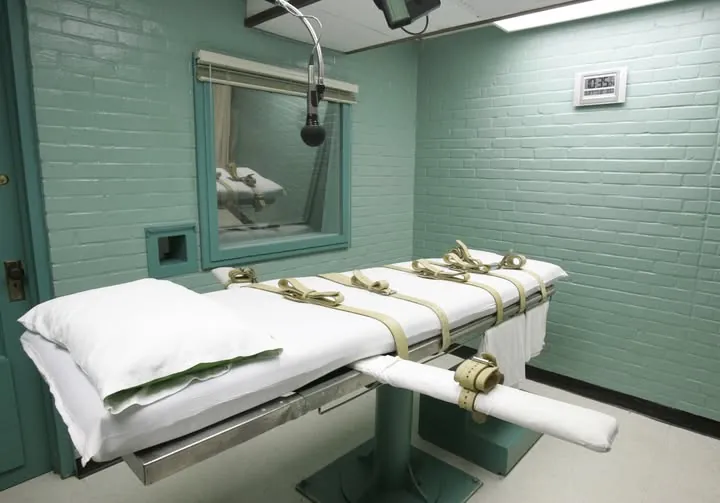
No. New York does not have a working state death penalty. That answer can feel strange in Western New York right now because Buffalo is watching a federal death penalty case move through court. The key is that state law and federal law are not the same thing.
New York's own death penalty stopped functioning after the Court of Appeals struck down a central part of the 1995 statute in People v. LaValle. State prosecutors can still pursue severe punishment, including life without parole, but they cannot use the invalidated state statute to ask for execution. Federal prosecutors, however, may seek a death sentence under federal law for certain federal crimes committed in New York.
That distinction matters for anyone trying to understand the current Buffalo case, the state's legal history, or the moral question behind capital punishment. It is also why the coalition keeps a public death penalty fact sheet, a resource library, and local updates for people who want to follow the issue without having to sort through legal jargon.
The short answer
New York does not currently impose death sentences under state law. The death penalty statute enacted in 1995 became unusable after a 2004 state constitutional ruling, and later attempts to restore it failed.
The Death Penalty Information Center's New York profile describes the state's modern capital punishment history and notes that New York's death penalty has not operated since the state courts invalidated the statute. The New York State Assembly's 2005 review put the practical result plainly: the 2004 ruling essentially invalidated the operation of the death penalty in New York while leaving life without parole available for first-degree murder cases.
In everyday terms, a person can be prosecuted in New York state court for murder and receive a sentence that keeps them in prison for life. But a state prosecutor cannot walk into a New York courtroom today and ask a jury to sentence that person to death under New York's old capital punishment law.
What happened in People v. LaValle?
People v. LaValle was the case that made New York's death penalty unusable. The problem was not a small technicality. It went to how jurors were instructed during the penalty phase of a capital trial. Under the 1995 law, if jurors could not agree on death or life without parole, they had to be told that the judge would impose a lesser sentence that could allow parole after a long term of years.
The Court of Appeals found that instruction coercive. A juror who opposed death might feel pressured to vote for execution simply to avoid the possibility that the person could someday be eligible for parole. The court vacated Stephen LaValle's death sentence and sent the case back for resentencing.
The Assembly report later summarized the consequence in unusually direct language: under the statute as it stood, the death penalty could not be imposed under New York law. First-degree murder prosecutions could continue, but as non-capital cases. For readers who want the legal source, the full LaValle opinion and the Assembly report are the two starting points.
Why federal law can still apply in New York
Federal law is a separate system. Some crimes are prosecuted by the federal government because they involve federal statutes, federal jurisdiction, hate crimes, terrorism, certain murders, or other matters Congress has placed in federal court. When a federal charge is death-eligible, prosecutors may ask for a death sentence in a federal court even if the state where the crime happened does not use capital punishment.
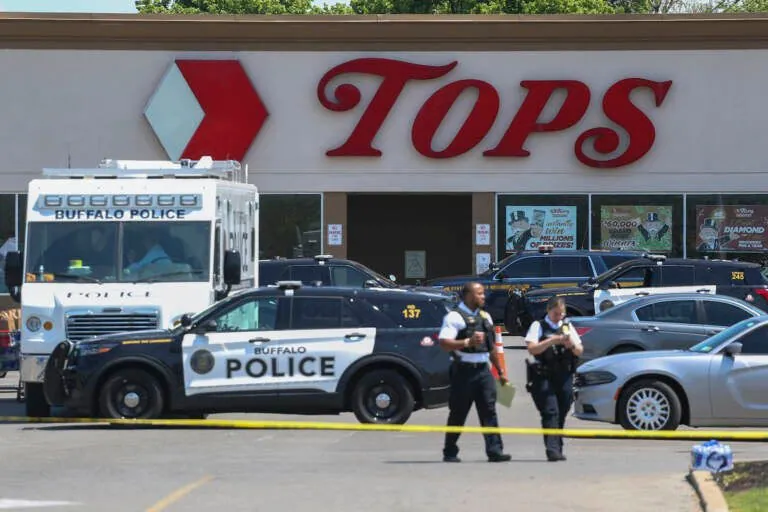
That is the issue Western New York is living with now. The federal government charged Payton Gendron after the racist May 14, 2022 attack at the Tops supermarket in Buffalo. The U.S. Attorney's Office for the Western District of New York says a federal grand jury returned a 27-count indictment that included hate crimes resulting in death and hate crimes involving attempts to kill injured survivors.
State court already produced a life-without-parole sentence. AP reported that Gendron pleaded guilty to state murder and hate-motivated domestic terrorism charges and was already serving life without parole when federal prosecutors announced they would seek death in the federal hate crimes case. That is why people can truthfully say both things at once: New York does not have capital punishment, and a federal death penalty case can still be held in Buffalo.
What life without parole means in this debate
One reason the New York question matters is that the state still has a severe alternative to execution. Life without parole is not leniency. It is permanent imprisonment. The Assembly report noted that after LaValle, New York law still authorized life without parole for first-degree murder.
That matters for victims' families, jurors, neighbors, and elected officials who are asked to choose between punishment and execution as if those are the only two choices. A life-without-parole sentence can hold a person accountable and protect the public without giving the government the irreversible power to kill.
The coalition's position is not that harm should be minimized or that grief should be softened into slogans. The point is more direct: public safety and accountability do not require execution. People who want to understand the local movement can read more about the coalition's work on the About pageor follow local updates on the News page.
What changed after New York's death row ended
The end of New York's death row did not end serious punishment. It changed the state's answer to the most serious crimes. Prosecutors still bring murder cases. Judges still impose long and permanent sentences. Victims' families still deserve truth, support, and public resources. What changed is that the state no longer uses a death sentence as the final expression of accountability.
That difference is easy to miss because capital punishment debates often collapse into one blunt question: "What punishment is harsh enough?" A better question is whether execution adds anything necessary once permanent imprisonment is already available. New York's experience shows that a state can reject execution without giving up public safety, prosecution, or life-without-parole sentencing.
It also changed the public role of community groups. When the state no longer has an active death chamber, abolition work becomes partly about memory and vigilance: remembering why the punishment failed, watching for attempts to revive it, and explaining why federal death penalty cases still matter locally. That is why this issue belongs in classrooms, churches, civic groups, and neighborhood conversations, not only in court filings.
Why the Buffalo case feels confusing
The Buffalo case sits at the intersection of grief, racism, federal law, local trauma, and a punishment New York state has rejected. That is why the headlines can be confusing. A local reader sees "New York does not have the death penalty" and then sees coverage of a federal death penalty trial at the courthouse in Buffalo. Both are true because different governments are acting under different laws.
Spectrum News reported in June 2026 that jury questionnaires had begun in the federal death penalty trial and also noted the basic legal fact that New York does not have the death penalty. The current proceeding is federal, not state. It is happening in New York, but it is not a New York state death penalty case.
That distinction also changes what community education has to do. It is not enough to say the state has moved past capital punishment. Western New Yorkers still need to understand how federal law can bring execution back into a local courtroom and why many residents, faith leaders, violence-prevention advocates, and abolition organizations oppose it.
A quick timeline of New York's modern death penalty
New York enacted a modern death penalty statute under Governor George Pataki.
The Court of Appeals decided People v. LaValle and made the statute unusable.
The Assembly reviewed the law, costs, testimony, and proposed fixes after the ruling.
New York's remaining death sentence was overturned, ending the state's death row.
New York has no working state death penalty, while federal capital cases can still arise.
How to talk about it accurately
If you are writing, teaching, preaching, organizing, or talking with neighbors, the cleanest phrasing is this: New York does not have a working state death penalty, but the federal death penalty can still be pursued for eligible federal crimes committed in New York. That sentence avoids the trap of making the issue sound simpler than it is.
It also keeps the focus where it belongs. The question is not only whether the law technically allows execution in a given courtroom. The question is whether execution makes communities safer, honors victims, prevents future violence, or reflects the kind of justice Western New Yorkers want to defend.
For public talks, classroom discussions, and community meetings, pair the legal answer with facts about cost, wrongful convictions, racial disparities, deterrence, and federal case history. The coalition's fact sheet is built for that purpose, and the Get Involved page gives residents a direct next step when they are ready to act.
How the coalition helps
WNY Coalition Against the Death Penalty helps people separate legal reality from political noise. The work is local and practical: public witness outside the courthouse, education for faith and civic groups, clear resources for students and reporters, and a steady reminder that accountability does not require execution.
The coalition also gives Western New Yorkers a place to bring questions. Some people arrive angry. Some arrive grieving. Some arrive unsure what the law even says. Good public education does not ask people to pretend the harm is small. It asks them to look honestly at whether capital punishment answers that harm or deepens it.
To invite a conversation, ask about local actions, or connect your organization with the coalition, use the Contact page.
Frequently asked questions
Does New York have the death penalty right now?
No. New York does not have a working state death penalty. State prosecutors can pursue life without parole in the most serious murder cases, but they cannot ask a New York state court to impose death under the invalidated state statute.
Why can a federal death penalty case happen in Buffalo?
Federal law is separate from New York state law. When prosecutors bring federal charges that are eligible for capital punishment, a federal court may hold a death penalty proceeding even when the crime happened in a state that does not use capital punishment.
Can life without parole be used instead?
Yes. Life without parole is available in New York first-degree murder cases and is also available in federal cases. The coalition supports accountability without execution because a person can be permanently separated from the community without giving the government power to kill.
Where can I find sourced New York death penalty numbers?
The coalition keeps a public death penalty fact sheet with sourced statistics on New York's status, federal executions, cost, race, innocence, deterrence, and death row trends.
Sources used in this article
Key sources include the Death Penalty Information Center's New York profile, the New York State Assembly's 2005 death penalty report, the People v. LaValle opinion, the U.S. Attorney's Office victim-notification page, Spectrum News coverage of the Buffalo federal trial, and AP reporting on the federal death penalty decision.
Related reading
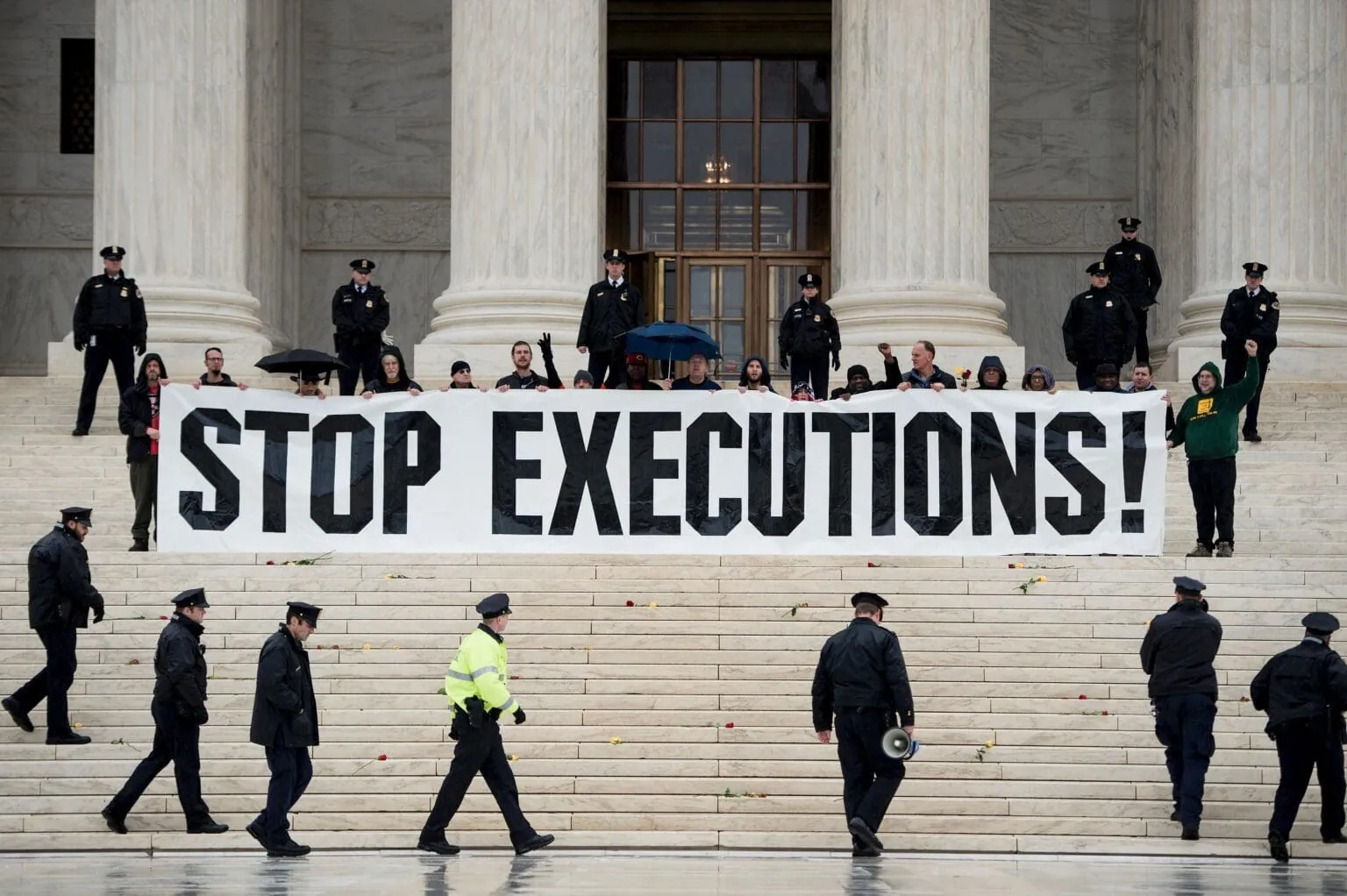
The New York Times
New York Times Review: Why the Death Penalty Is Dying
A curated reading note on Anand Giridharadas's review of Maurice Chammah's Let the Lord Sort Them and what it adds to the abolition conversation.
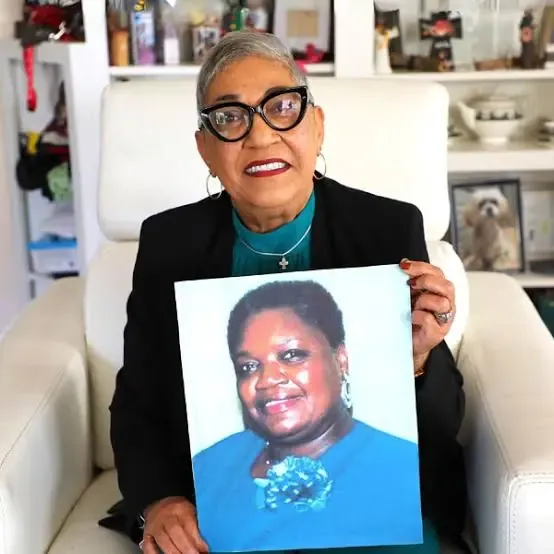
The New York Times
I Wish the Jury Had Not Sentenced My Family’s Killer to Death
A New York Times guest essay by Rev. Sharon Risher on grief, healing, and why an execution did not bring her family peace.
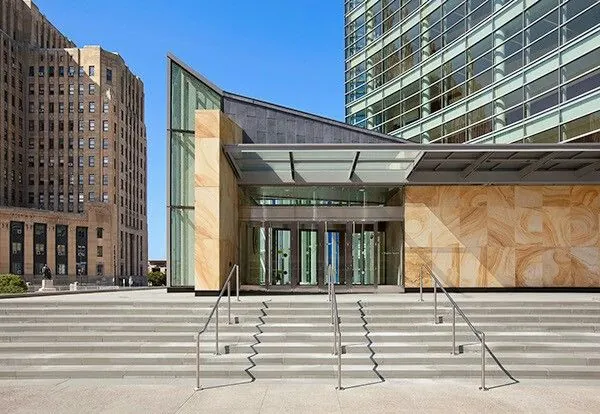
New York Death Penalty Law
When Did New York Abolish the Death Penalty?
New York's working state death penalty ended in 2004, and the final death sentence was vacated in 2007. Here is why both dates matter.