
Local Case Update
Payton Gendron Federal Trial: What to Know
A plain-language guide to the federal case in Buffalo, the pretrial decisions shaping it, and why life without parole remains a real alternative to execution.

Buffalo is facing a federal death penalty proceeding in a case that has already brought immeasurable grief to this community. This guide explains the legal posture without minimizing the racist May 14, 2022 attack or treating a pending proceeding as a final outcome.
Payton Gendron is serving life without parole after pleading guilty in state court to murder, hate-motivated domestic terrorism, attempted murder, and weapons charges. The federal case is separate. It concerns federal hate-crime and firearms charges, and the Justice Department has authorized prosecutors to seek a death sentence. That makes the federal proceeding the remaining path by which execution could be imposed.
A recent CourtDocket overview of the federal casedescribes the jury-selection process, the pretrial decisions, and the defense issues now framing the case. Those details are important. They also point back to the broader question that matters to Western New York: what does justice require when the person responsible is already permanently incarcerated?
Why there is still a federal case
New York does not have a working state death penalty. The state’s capital sentencing system became unusable after the New York Court of Appeals decided People v. LaValle in 2004, and the final state death sentence was later vacated. State law nevertheless allows severe punishment, including life without parole for eligible first-degree murder convictions.
Federal criminal law is different. When conduct is charged as a federal crime, the case is heard in federal court and is governed by federal sentencing law. The U.S. Attorney’s Office says the federal indictment in this case includes hate-crime counts resulting in death, attempted-killing counts involving survivors, and firearms offenses. That separate federal jurisdiction is why a capital case can proceed in Buffalo even though New York state courts cannot impose a death sentence.
It is worth keeping both truths in view. The attack was a racist act of mass violence that devastated people, families, and a neighborhood. And the choice to seek execution is a government decision, not an inevitable consequence of taking the harm seriously. The state sentence already ensures permanent imprisonment.

What the pretrial rulings do, and do not, decide
Pretrial rulings determine what evidence, arguments, and procedures may be used as a case moves forward. They are not a verdict. In a capital case, they can be especially consequential because the law requires separate decisions about guilt and punishment.
The CourtDocket report notes that the court rejected defense efforts to dismiss the death-eligible counts and challenges to the grand-jury process. It also describes rulings that removed several proposed non-statutory aggravating factors from the government’s penalty case, while leaving other allegations in place. Those rulings narrow the arguments available to the parties. They do not answer the moral question of whether an execution should occur.
That distinction matters in public conversation. A legal ruling can be accurate and still leave room for people of conscience to oppose execution. The coalition’s work is rooted in the belief that accountability is compatible with refusing state killing, particularly where life without parole already protects the public.
How a federal capital trial is structured
Federal capital cases are not ordinary criminal trials with a single decision. The first phase asks whether the government has proved the charged offenses beyond a reasonable doubt. If the legal conditions for capital sentencing are met, a penalty phase follows. The jury then considers aggravating and mitigating evidence before deciding whether death should be recommended.
The federal capital sentencing statute requires unanimity for a death recommendation. If a jury does not unanimously recommend death, the court must impose another sentence authorized by law. Life imprisonment without the possibility of release is one such sentence. That is a crucial fact when people hear the word “capital” and assume the outcome is already determined.
The process can also be long and emotionally punishing for survivors, witnesses, and the surrounding community. A capital prosecution brings years of hearings, motions, review, and uncertainty. Recognizing that burden does not reduce the gravity of the crime. It acknowledges that the public must weigh whether a punishment that expands trauma and delay is necessary when permanent imprisonment is already in place.
Why the defense matters, even in the hardest case
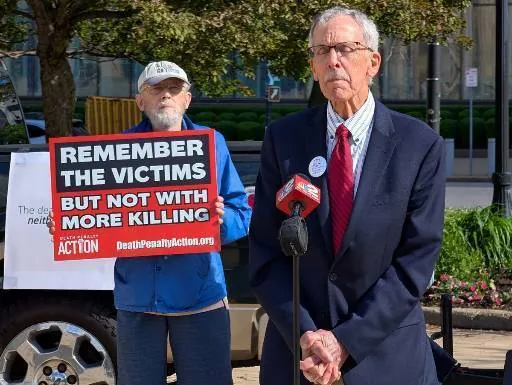
A fair legal system requires a defense, including in a case that has generated profound public anger and sorrow. Defense counsel are not excusing violence when they test evidence, challenge procedure, seek a representative jury, or present reasons against a death sentence. They are doing the work the Constitution assigns them.
The reporting identifies questions about venue, jury selection, access to records, and the role of age-related evidence. Those issues are not side shows. Capital punishment is irreversible, which is exactly why the system builds in heightened process. Yet more procedure cannot make an execution reversible if a legal judgment later proves wrong, unfair, or incomplete.
This is one reason the coalition opposes the death penalty in every case, not only the easy ones. A principle tested only in sympathetic circumstances is not much of a principle. Justice has to hold together when the facts are painful, when grief is raw, and when the demand for the harshest response is strongest.
Life without parole is accountability, not an absence of consequence
Life without parole means permanent imprisonment. It is not release, a short sentence, or a dismissal of the lives taken. In the state case, that punishment has already been imposed. The question in the federal case is whether the government should add an execution to an existing sentence that already keeps Gendron incarcerated for life.
The coalition believes the answer is no. Public safety, recognition of victims, and accountability do not require state killing. The death penalty cannot restore the lives lost at Tops. It cannot erase the trauma carried by survivors, families, staff, and neighbors. It can, however, extend litigation and keep the community tied to an additional cycle of legal uncertainty.
People can disagree about punishment and still reject the false choice between caring about victims and opposing execution. Many victims’ family members have different needs and views. Respecting that reality means listening without treating any one person’s grief as a mandate for the state to kill.
What Western New York needs from this moment
The legal calendar can make this case feel like a sequence of motions, hearings, and deadlines. For the people most affected, it is not abstract. The victims were loved people, the survivors carry what happened with them, and a neighborhood was targeted because its residents were Black. Any public response worthy of Buffalo has to begin by naming that harm clearly.
It should also resist the idea that only execution can communicate the seriousness of the crime. That idea asks the public to measure care for victims by its appetite for a second death. It leaves too little room for survivor support, racial-violence prevention, neighborhood investment, trauma care, and the daily work of making people safer before violence occurs.
Buffalo deserves a public conversation that is both honest and humane. It can honor the people killed, recognize the harm done to those who survived, condemn white supremacy without qualification, and still oppose execution. Those commitments do not compete. Together, they insist that accountability should protect life rather than reproduce state violence.
Questions worth keeping in view
Court coverage often moves quickly because litigation moves quickly. A ruling can be announced in a sentence, while its consequences take months or years to unfold. As this case continues, readers can return to a few basic questions that do not depend on the next headline: What is the legal decision actually about? What has already been decided? What remains for a jury or court to decide? And what does the community need that a courtroom alone cannot provide?
It is also useful to distinguish a capital prosecution from an ordinary description of the offense. The government’s decision to seek death opens a separate penalty process. It does not erase the state sentence, change the lives already lost, or turn public opposition to execution into indifference. Precision helps keep the discussion from being driven by rumor, spectacle, or pressure to speak about grief in only one approved way.
The coalition encourages people to follow reporting closely, to rely on primary sources where possible, and to make room for the views of survivors and families, including when those views differ. The public can reject racist violence completely and still ask whether the death penalty makes Buffalo safer, heals anyone, or serves a purpose that permanent imprisonment cannot serve.
That is not an easy question. It is, however, the right kind of question for a community confronting terrible harm. It keeps the focus on human dignity, genuine safety, and what we choose to build after violence, rather than on a punishment that asks the government to take another life.
How the coalition helps
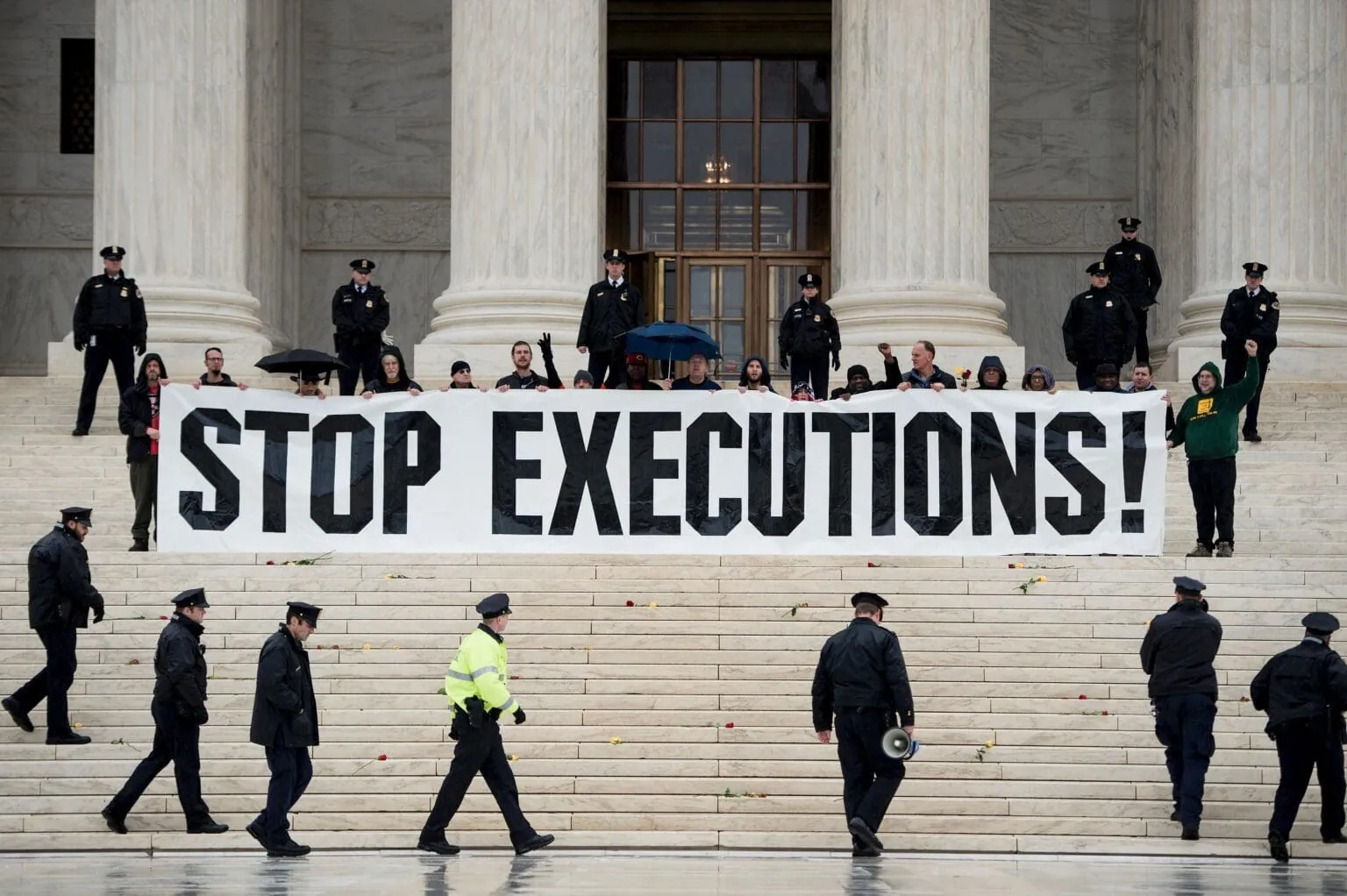
WNY Coalition Against the Death Penalty gives Western New Yorkers a place to learn, reflect, and act without looking away from the devastating harm at the center of this case. We offer local public education, witness outside the courthouse, and resources for people who want a justice system centered on accountability without execution.
Our role is not to tell people how to grieve. It is to make sure the public has clear information and a place to consider alternatives to an irreversible punishment. That includes explaining the difference between state and federal law, sharing reliable research, and creating room for faith communities, students, neighbors, and civic groups to talk about public safety without reducing the conversation to a demand for death.
The case will continue to generate difficult news. When it does, the coalition will keep returning to the same standard: justice should be truthful about the harm, firm about accountability, and unwilling to make state killing the measure of how much a community cares. That standard does not make the loss smaller. It asks more of all of us than a verdict or sentence can deliver on its own.
Readers looking for a starting point can use the coalition’s resources to understand the law, the evidence on deterrence and cost, and the experiences of people directly affected by capital punishment. Clear facts do not settle every moral question, but they make it harder for fear or misinformation to settle those questions for us.
For a broader explanation of why a federal capital case can happen in New York, read our guide to New York’s death penalty status. The coalition’s fact sheet also gathers sourced information on deterrence, cost, innocence, race, and the death penalty.
Frequently asked questions
Is the Payton Gendron federal trial separate from the state case?
Yes. The state and federal cases arise from the same May 14, 2022 attack but proceed under different laws. Gendron is already serving life without parole on the state conviction, while the federal case involves separate federal hate-crime and firearms charges.
Does a federal death penalty case mean New York brought back capital punishment?
No. New York state courts do not have a working death penalty. Federal law is separate, so federal prosecutors can seek death in an eligible federal case even when the crime occurred in a state without a working state death penalty.
What happens if a federal capital jury does not unanimously choose death?
Under the federal capital sentencing statute, a death sentence requires a unanimous jury recommendation. If the jury does not unanimously recommend death, the court must impose another authorized sentence, which can include life imprisonment without the possibility of release.
Sources used in this article
This article draws on CourtDocket’s case overview, the U.S. Attorney’s Office case information, the federal capital sentencing statute, and the coalition’s existing New York law guide.
Related reading
New York Death Penalty Law
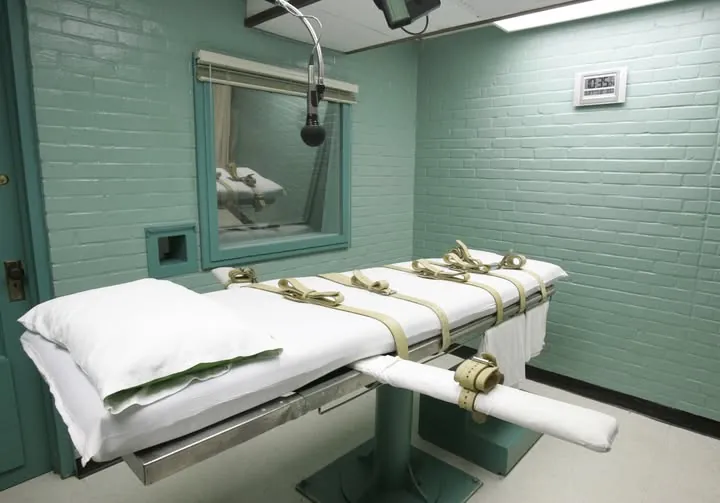
Does New York Have the Death Penalty?
New York does not have a working state death penalty, but federal prosecutors can still seek death in federal cases. Here is the difference.
The New York Times
New York Times Review: Why the Death Penalty Is Dying
A curated reading note on Anand Giridharadas's review of Maurice Chammah's Let the Lord Sort Them and what it adds to the abolition conversation.
The New York Times
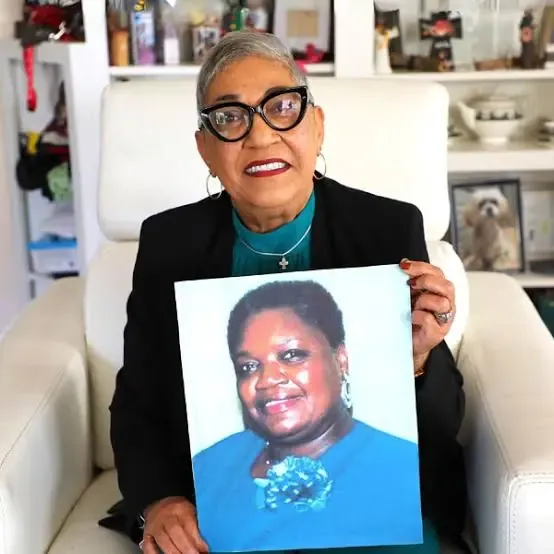
I Wish the Jury Had Not Sentenced My Family’s Killer to Death
A New York Times guest essay by Rev. Sharon Risher on grief, healing, and why an execution did not bring her family peace.