
Federal Capital Punishment
The Case Against the Federal Death Penalty
A Flawed System Past Saving
A flawed system past saving: why the federal death penalty cannot be made fair, safe, or necessary.
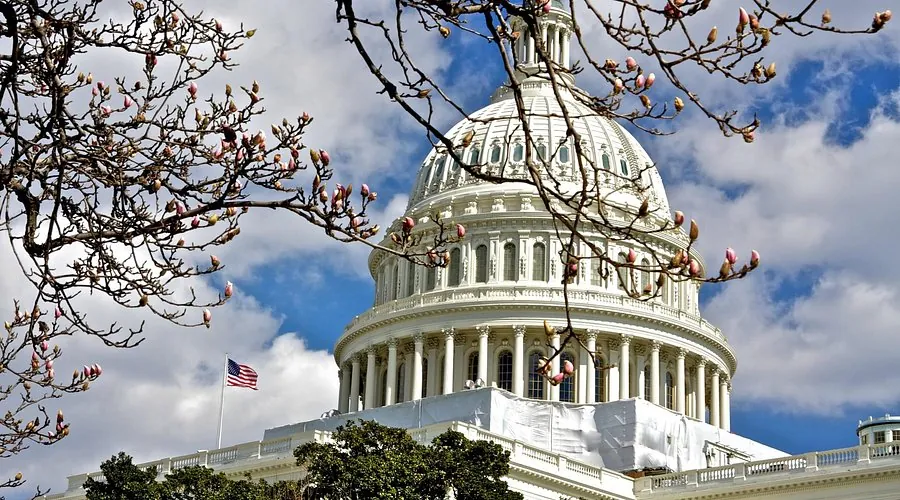
The federal death penalty is often presented as an exceptional safeguard for the “worst of the worst.” But a punishment cannot be made just simply by surrounding it with more procedure. It remains irreversible, unevenly applied, and unnecessary when life without parole is available.
New York no longer operates a state death penalty, yet federal prosecutors may still seek death in limited federal cases. That difference is not merely technical. It asks whether a federal court should have power to impose the one punishment no later evidence, appeal, apology, or reform can undo.
Fairness cannot be a matter of chance
Capital punishment has long raised questions about whether race, wealth, and place shape outcomes. The Government Accountability Office reviewed 28 studies of capital sentencing and found a pattern of racial disparities in the research it examined. Federal capital charging has also been the subject of congressional hearings focused specifically on racial and geographic disparities.
That history matters because a death notice is not a neutral administrative step. It changes the stakes of every decision that follows. When comparable conduct can receive different treatment across districts, or when the resources available to a defendant affect the quality of representation, the system risks turning its most permanent punishment into a lottery.
A legal system worthy of public confidence should not rely on the hope that safeguards will work perfectly in the few cases where a mistake is fatal. Equal justice calls for a punishment that can be reviewed and corrected when institutions fail.
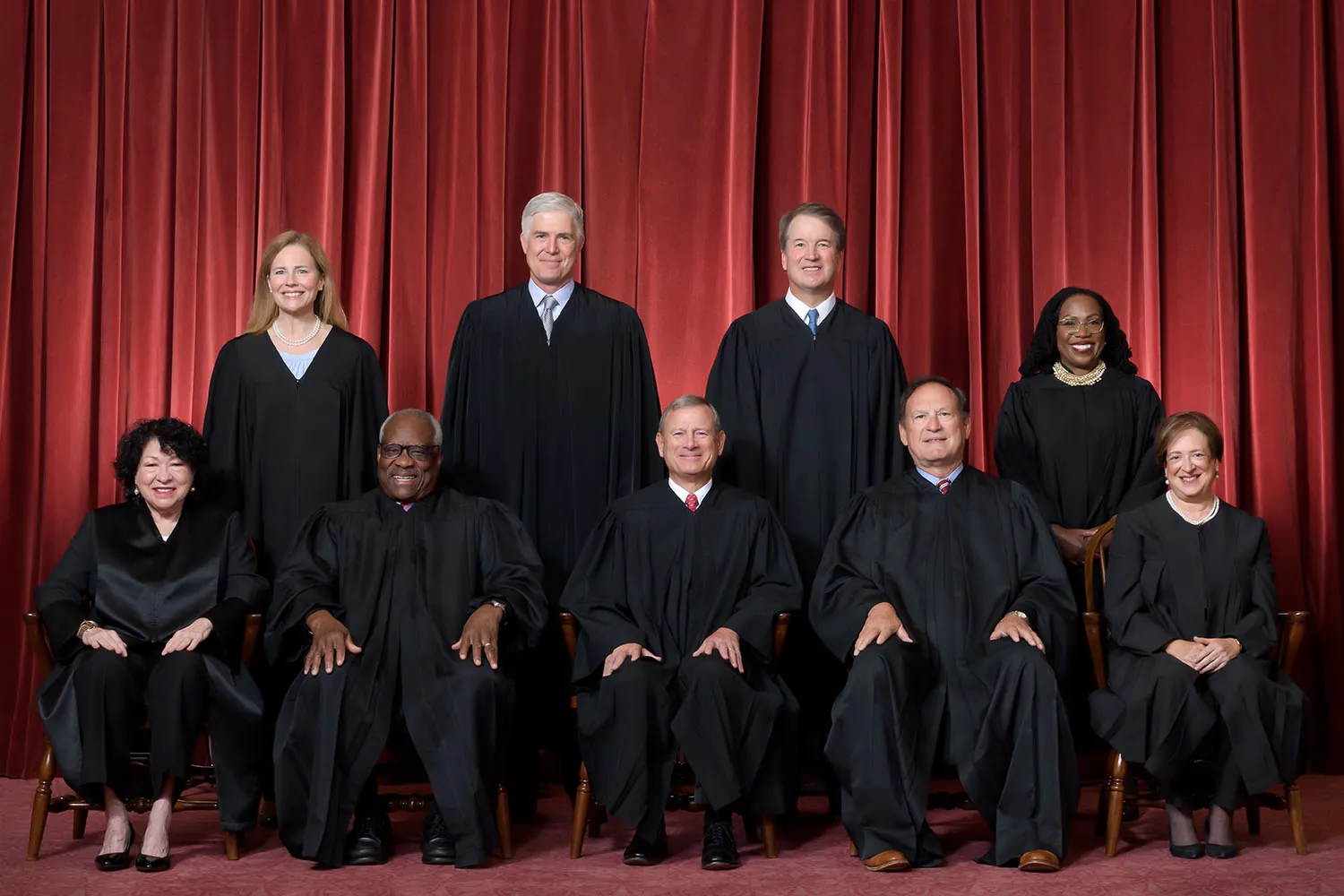

The risk of error does not disappear in federal court
At least 202 people sentenced to death in the United States have later been exonerated since 1973, according to the Death Penalty Information Center. Those cases arose in state systems, but the lesson is larger than any one jurisdiction: criminal legal systems are run by people, and people can misidentify suspects, rely on unreliable testimony, miss evidence, or fail to disclose evidence that matters.
Federal review can be rigorous without being infallible. A more elaborate process may reduce some risks; it cannot erase the possibility of a wrongful conviction or an unfair sentence. The ethical problem is not only whether a particular case contains an error. It is whether government should possess an irreversible power when every institution in the process is human.
Life without parole is severe. It can permanently separate a person from the community while leaving room to correct a conviction if new evidence emerges. Execution closes that door forever.
More process is not a solution when it creates more cost
Capital cases require extraordinary preparation because the consequences are extraordinary. The federal judiciary has studied the cost and quality of defense representation in federal death penalty cases, including the factors that drive case costs. That work reflects an obvious reality: a system that seeks execution must fund specialized defense, investigation, mitigation, expert review, jury selection, and years of litigation.
Those safeguards are necessary if the government pursues death. But their necessity also exposes the contradiction. If a punishment requires a uniquely costly and complex process to prevent catastrophic error, it is not a lean or dependable public-safety tool. Public money can instead support survivors, solve violent crimes, clear forensic backlogs, and prevent harm before it occurs.
Cost is not the first moral question, but it is a public one. Taxpayers should not be asked to finance a machinery of death when permanent imprisonment can impose accountability without an execution.
Accountability does not require execution
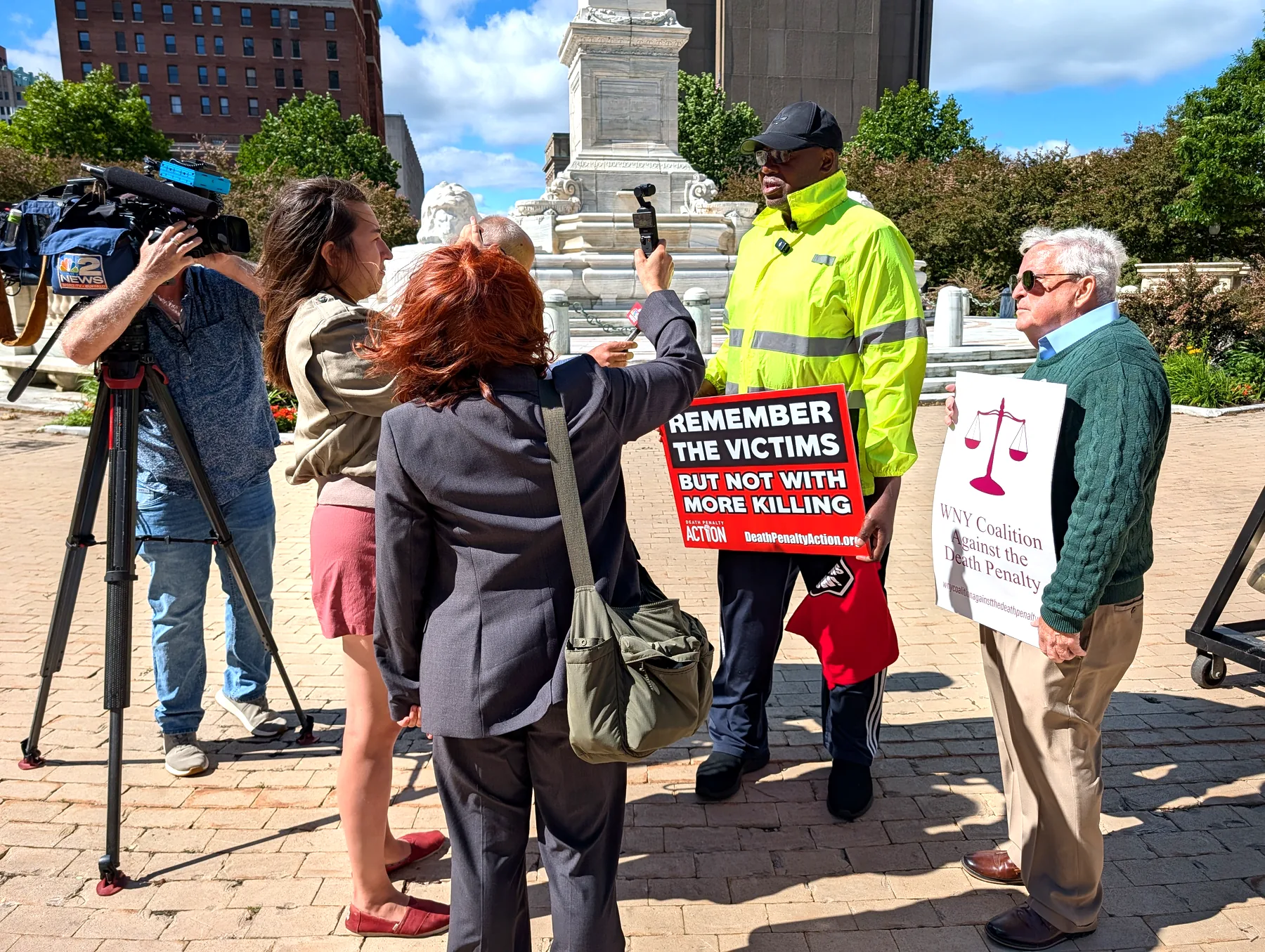
Opposition to the federal death penalty is not indifference to violence or to people who have lost loved ones. Serious harm calls for serious accountability, truthful investigation, and sustained support for survivors. It does not require the state to make killing part of its own answer.
“The death penalty is not about whether they deserve to die for their crimes. It’s about whether we deserve to kill.”
Bryan Stevenson
That question reaches beyond a single defendant. It concerns the kind of public authority a democracy should claim. A sentence of life without parole can keep a person from the public permanently. It does not ask prison staff, medical workers, jurors, judges, or victims’ families to carry the additional burden of an execution.
A permanent federal abolition is the clear path
The federal death penalty cannot be made fair by adding another review, safe by adding another appeal, or necessary when federal law already permits life sentences. Its structural problems are precisely why abolition is the stronger response.
For Western New Yorkers, this is not an abstract national debate. Federal prosecution can bring a death-penalty case into a state that does not impose death in its own courts. That is why the coalition continues to support accountability without execution, public education, and a justice system that leaves room for truth and repair.
Read the coalition’s death penalty fact sheet for more context, or explore the resource library to continue the conversation.
Join us in fighting against the federal death penalty here in Buffalo, Western New York, and Upstate New York.
Get InvolvedFrequently asked questions
Can federal prosecutors seek the death penalty in New York?
Yes. Federal law is separate from New York law. In a limited class of federal cases, prosecutors may seek a death sentence even though New York does not operate a state death penalty.
Does life without parole exist in the federal system?
Yes. Federal law permits life sentences, including life without parole in eligible cases. A severe sentence can protect the public without making an execution irreversible.
How many people sentenced to death have been exonerated?
The Death Penalty Information Center records at least 202 people who were wrongly convicted and sentenced to death in the United States, then later exonerated, since 1973.
Related reading
The New York Times
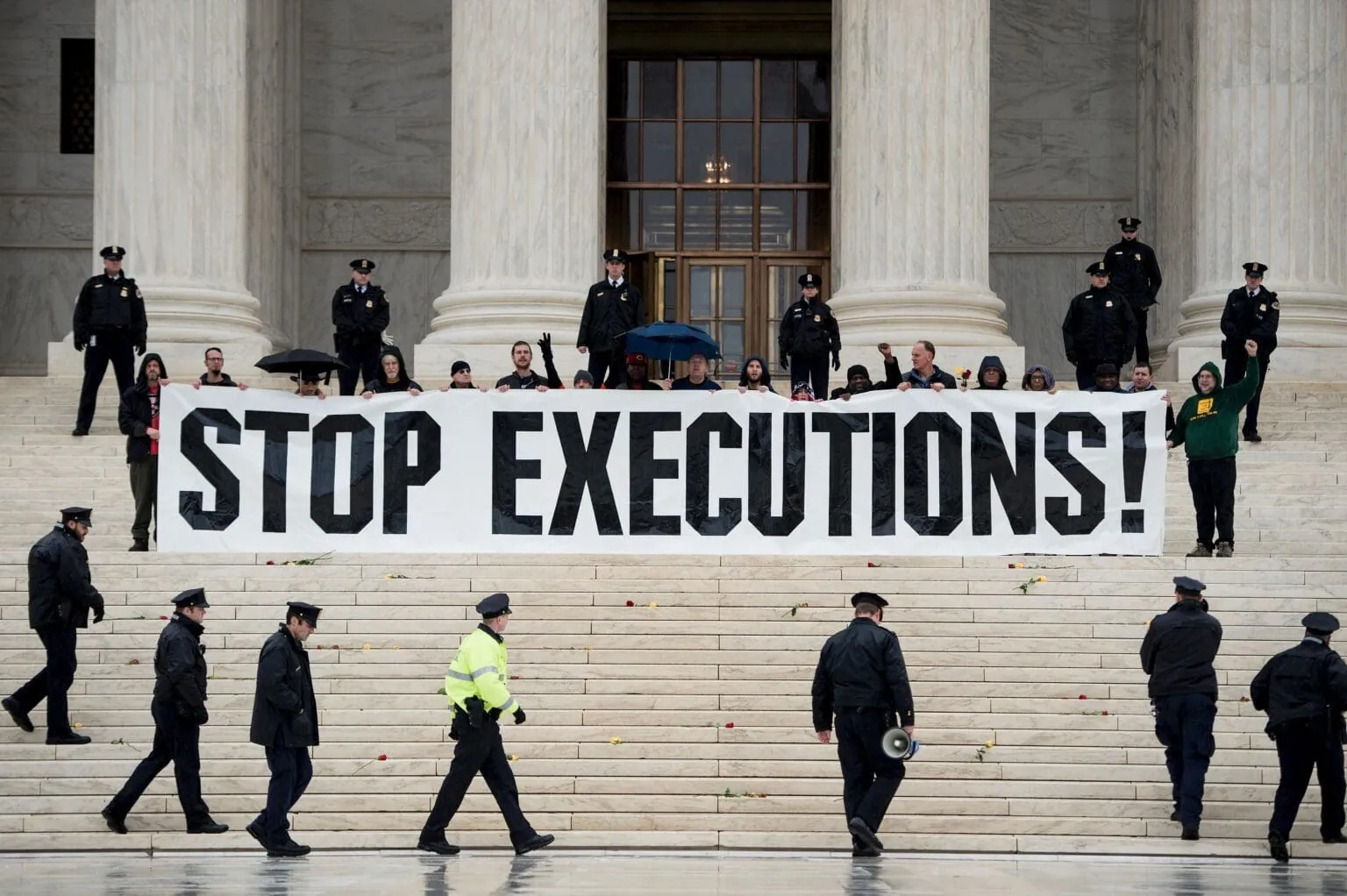
New York Times Review: Why the Death Penalty Is Dying
A curated reading note on Anand Giridharadas's review of Maurice Chammah's Let the Lord Sort Them and what it adds to the abolition conversation.
The New York Times
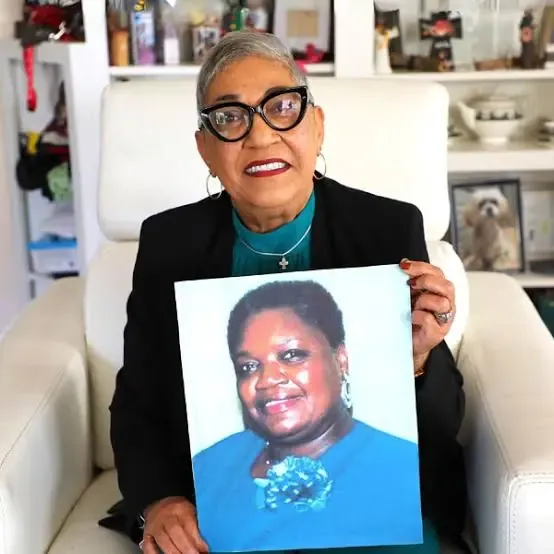
I Wish the Jury Had Not Sentenced My Family’s Killer to Death
A New York Times guest essay by Rev. Sharon Risher on grief, healing, and why an execution did not bring her family peace.
New York Death Penalty Law
When Did New York Abolish the Death Penalty? 2004 and 2007
New York's state death penalty became unusable in 2004, and the final death sentence was vacated in 2007. Both dates explain the answer.